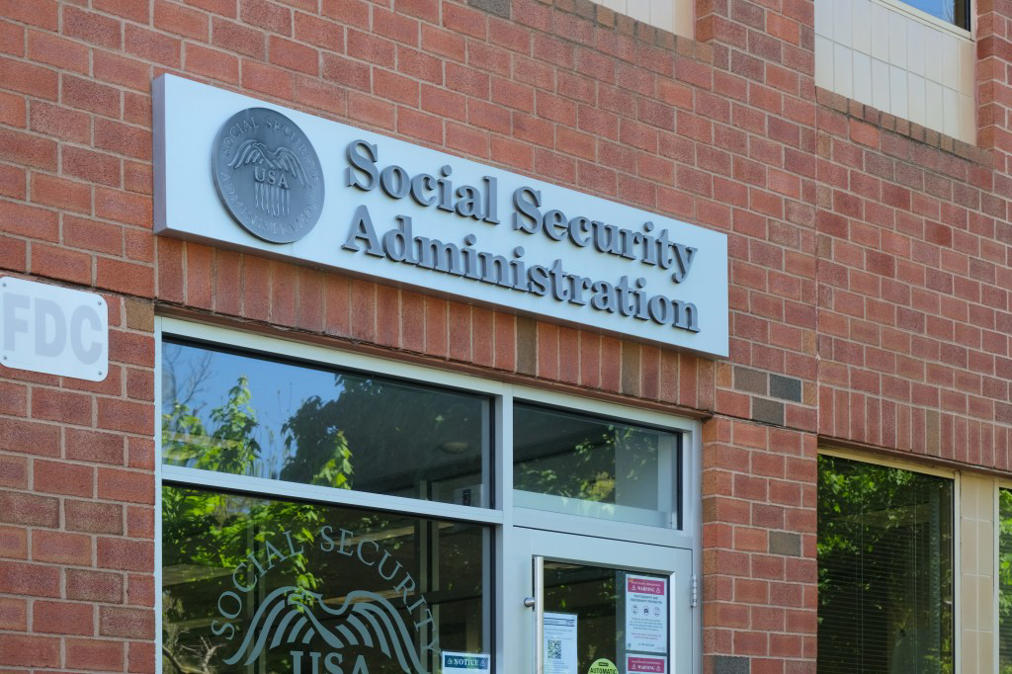
WASHINGTON — A growing number of lawmakers are warning that Social Security is approaching a critical financial crossroads, with one congressman issuing a stark message to current and future retirees: unless Congress acts, benefit reductions are no longer a distant possibility—they are becoming increasingly likely.
The warning comes after the release of the 2026 Social Security Trustees Report, which projects that the program’s primary retirement trust fund could be depleted in late 2032, one year earlier than previously expected. If lawmakers fail to enact reforms before then, millions of retirees could face automatic benefit reductions across the board.
For the more than 70 million Americans who depend on Social Security benefits, the report has intensified concerns about whether the nation’s largest retirement program can continue paying full benefits in the years ahead.
Why Experts Are Calling This a Turning Point
Social Security is often described as the foundation of retirement security in the United States. For many retirees, monthly benefits represent their largest or even sole source of income.
However, demographic shifts have placed increasing pressure on the program. Americans are living longer, birth rates have declined, and the ratio of workers paying payroll taxes to retirees collecting benefits continues to shrink. These trends have gradually weakened the financial position of the trust fund over time.
The latest projections indicate that the Old-Age and Survivors Insurance (OASI) Trust Fund will be exhausted during the fourth quarter of 2032. At that point, Social Security would still collect payroll tax revenue, but it would no longer have sufficient reserves to pay full scheduled benefits.
What Happens If Congress Does Nothing?
One of the biggest misconceptions is that Social Security would disappear entirely.
That is not what the trustees project.
Even after the trust fund’s reserves are exhausted, payroll taxes would continue flowing into the system. However, those revenues would only be enough to cover approximately 78% of scheduled retirement benefits under current projections.
For retirees, that could translate into substantial monthly losses.
Consider a retiree currently receiving:
- $2,000 per month in Social Security benefits.
- A projected 22% reduction would lower that payment to approximately $1,560.
- That represents a loss of roughly $440 every month, or more than $5,000 annually.
For married couples receiving benefits, the financial impact could be even greater.
The Congressman’s Warning
The renewed attention follows comments from lawmakers who argue that Congress has limited time remaining to address the program’s long-term finances.
Representative Tom Suozzi and other members of Congress have emphasized that the issue is no longer theoretical. They argue that waiting until the last moment could force lawmakers into more painful decisions, while earlier action would provide more flexibility and allow changes to be phased in gradually.
The concern is shared by numerous policy organizations that view the latest trustees report as a warning sign that the window for easier reforms is narrowing.
Could Benefits Really Be Cut?
Technically, yes.
Under current law, if the trust fund’s reserves reach zero and Congress has not approved a solution, Social Security would only be permitted to pay benefits supported by incoming revenue.
That is why analysts frequently refer to an “automatic benefit cut” scenario.
Importantly, no legislation has been enacted to reduce current benefits today. Retirees continue receiving their full monthly payments, and there are no immediate changes to the SSA’s payment schedule.
What Solutions Are Being Discussed?
Congress has several options available, though none are politically easy.
Proposals under discussion include:
Raising the Payroll Tax Cap
Currently, earnings above a certain threshold are not subject to Social Security payroll taxes. Some lawmakers support increasing or eliminating that cap to generate additional revenue.
Increasing Payroll Tax Rates
Another option would require workers and employers to contribute slightly more through payroll taxes.
Gradually Raising the Retirement Age
Some policymakers argue that increasing life expectancy justifies raising the full retirement age for future beneficiaries.
Modifying Future Benefit Formulas
Congress could adjust how future benefits are calculated, particularly for higher-income retirees.
Bipartisan Reform Packages
Many experts believe a final solution would likely involve a combination of revenue increases and gradual benefit adjustments rather than relying on a single measure.
Why Many Experts Still Expect Action
Although the headlines sound alarming, history offers some reassurance.
Social Security has faced funding challenges before. In 1983, Congress approved major reforms that strengthened the program’s finances and extended its solvency for decades.
Several lawmakers are now proposing a similar bipartisan approach, including the creation of commissions designed to recommend long-term solutions before the projected depletion date arrives.
Many economists believe Congress is unlikely to allow automatic cuts to take effect without attempting a legislative fix, though the timing and details remain uncertain.
What Retirees Should Do Right Now
Financial planners generally recommend avoiding panic.
Experts suggest:
- Continuing to follow official Social Security updates.
- Reviewing retirement savings and spending plans.
- Considering multiple retirement income sources.
- Avoiding rushed claiming decisions based solely on fear of future cuts.
Some retirees have considered claiming benefits early in an effort to “beat” potential reductions. However, many financial professionals warn that permanently locking in a reduced benefit may ultimately be more costly than waiting for full retirement benefits.
Bottom Line
The latest Social Security projections have renewed fears about the future of America’s most important retirement program. While benefits are not being cut today, the warning from lawmakers reflects a growing reality: without congressional action, automatic reductions could occur after 2032.
For now, Social Security continues paying full benefits, but the pressure on Congress is mounting. The decisions made over the next several years could determine the future of retirement security for tens of millions of Americans.