Dad Punched Me In The Face, Right There At The Dinner Table. He Hit Me, Until His Own Colonel Stood Up And Said: “She’s A General… And You’re Being Arrested Right Now!” My Father Fainted On The Spot. My Stepmom Begged For Mercy.
### Part 1
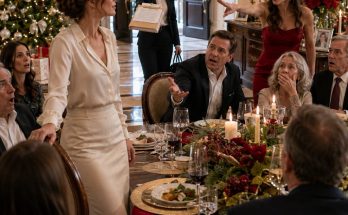
My father chose a restaurant with windows facing the Atlantic because he liked to be seen winning.
That was how he described birthdays. Not as getting older, not as another year with your family, but as proof that time had not beaten you yet. The Ocean House had brass lamps, white tablecloths, polished wineglasses, and a hostess who said his name with the soft respect he expected from everyone.
“Mercer party,” she said, smiling like she had rehearsed it.
My father lifted his chin.
“That’s us.”
He walked ahead of us without looking back. My mother followed two steps behind him, holding her cream cardigan shut at the throat even though the restaurant was warm. My younger brother, Nathan, came next, shoulders rounded, chewing the inside of his cheek like he had when we were kids. I walked last with Colonel Quinn Park beside me.
To my father, Quinn was “a work friend.”
That was all I had told him.
Not because I was ashamed of her. Not because I was afraid of him knowing the truth. I had just learned that some truths were more effective when they arrived at the right time.
The hostess led us to a long table near the windows. Outside, waves struck the seawall in dark rolling bursts. Inside, everything smelled of garlic butter, lemon, candle wax, and money. My father loved places like that. Expensive enough to make waiters careful. Quiet enough for his voice to fill the room.
He sat at the head of the table before anyone else touched a chair.
“Lila,” he said, tapping the empty seat to his right.
I took the seat without comment. Forty-two years old, and still he pointed where he wanted me.
Quinn sat across from me. She did not smile too much. She never did. Her gray dress jacket was plain, her hair pinned low, her posture so balanced it made the chair look temporary under her. My father gave her a quick inspection and dismissed her.
“So,” he said, unfolding his napkin with a snap, “what is it you do again?”
“Defense administration,” Quinn said.
That was technically true.
My father grunted. “Paperwork, then.”
Quinn picked up her water glass. “Sometimes paperwork matters.”
I looked down so he would not see my mouth twitch.
The first half hour went exactly as expected. My father told the same stories about discipline, leadership, and how America had gone soft. My mother laughed half a second after his jokes, always watching his face first to see if laughter was allowed. Nathan nodded at the wrong places and corrected himself by nodding harder.
I counted exits. I always did.
Two doors to the kitchen. One front entrance. A side hallway near the restrooms. A fire alarm behind a potted palm. A waiter with shaking hands carrying a tray of oysters. A little girl in a red bow kicking her legs under another table.
Small details kept me steady.
Then the bread arrived late.
My mother leaned toward the empty chair beside her and whispered, “Oh no.”
“What?” I asked.
“The rolls at home,” she said. “I left them warming. I forgot to turn the oven off.”
Her face had gone pale in that specific way I knew too well, the look of someone already imagining punishment before it arrived.
My father had bowed his head, preparing to say grace. His hands were folded. His eyes were closed. His mouth had taken on that solemn shape he used when pretending humility.
I leaned closer to my mother and said softly, “Call the neighbor. Ask Mrs. Lane to turn it off.”
That was all.
No accusation. No interruption meant for him. Just one quiet sentence.
My father’s eyes opened.
The restaurant seemed to dim around him.
“What did you say?”
I turned back. “Mom left something in the oven. I told her to call Mrs. Lane.”
His jaw tightened.
“We are saying grace.”
“I know.”
His hand moved so fast the candle flame bent.
The slap cracked across my face like a board breaking.
For one second, I heard nothing. Not the waves, not the forks, not my mother’s small cry. Only the ringing inside my skull and the rush of blood under my skin. Heat spread from my cheekbone to my ear. My water glass trembled under my fingers, but I did not let go.
My father settled back into his chair and folded his hands again.
“As I was saying,” he said.
My mother stared at the red sauce spreading from the spoon she had dropped onto the tablecloth. Nathan had stopped breathing through his nose. Across from me, Quinn Park set down her wineglass.
The sound was small.
Clink.
But every person at that table heard it.
Quinn looked at my father with the calm of someone who had already measured the distance between a threat and its consequence.
“Not tonight,” she said.
My father blinked, offended before he was afraid.
And I realized, with my cheek burning and my heart steadying into something cold, that the dinner he thought he controlled had just become a battlefield.
Then Quinn reached slowly toward the black case beside her chair, and my father’s eyes narrowed as if he recognized danger but could not yet name it.
### Part 2
When I was twelve, my father locked me in the basement for speaking during prayer.
That memory came back while the sting of his palm still burned on my face.
The basement had smelled like wet concrete, old paint, and mouse droppings. A pipe leaked near the furnace, one drop every few seconds, steady as a clock. He called it reflection time. He said silence would teach me respect. He said hunger made children grateful.
I learned other things down there.
I learned that fear has a shape. It starts in the throat, presses behind the eyes, then sinks into the stomach and waits. I learned that crying only wasted breath. I learned how to slow my pulse by counting drips from the pipe. I learned that darkness was not empty. It was full of sounds adults pretended not to hear.
Above me, life continued. Plates in the kitchen. Television laughter. My mother’s slippers across the floor. Nathan’s small feet pausing at the basement door, then hurrying away when my father barked his name.
The next morning, my father would unlock the door and say, “Are we ready to behave?”
I always said yes.
But something inside me never agreed.
At the restaurant, the same old silence tried to settle over the table. I could almost feel it searching for the weak places in us. My mother’s fingers worried the edge of her napkin until threads pulled loose. Nathan’s fork hovered over his plate, useless. My father waited for Quinn to apologize.
She did not.
He gave a short laugh. “Excuse me?”
Quinn’s expression did not change. “I said not tonight.”
“This is a family matter.”
“No,” she said. “It stopped being only that when you struck her in a public place.”
My father’s eyes flicked around the room. That bothered him more than the words. Several diners had turned in their chairs. A waiter stood frozen near the service station, holding a pepper grinder like he had forgotten what hands were for.
My father lowered his voice. “You don’t know this family.”
“I know what I saw.”
“You saw discipline.”
“I saw assault.”
The word landed hard.
Assault.
Not correction. Not temper. Not old-fashioned parenting. Not “that’s just how he is,” the phrase my mother had used like a blanket over broken glass for most of my childhood.
Assault.
My father’s face changed color, a slow climb from red to purple. He reached for his steak knife, not lifting it exactly, just wrapping his fingers around the handle. The blade caught candlelight, a thin silver flash.
“Careful,” he said.
I felt Quinn’s gaze shift to the knife, then to his hand, then back to his face. She had noticed everything. Of course she had. Quinn noticed exits too.
My father leaned toward me. “Lila, tell your friend to mind her place.”
His voice carried the old command. Daughter, translate my anger into obedience. Daughter, make the outsider leave. Daughter, prove I still own the room.
I looked at him and said nothing.
That angered him more than defiance would have.
“Lila.”
The name sounded like a warning shot.
My cheek throbbed. Garlic butter cooled on the plates. Somewhere behind us, a child whispered, “Mom, what happened?” and got shushed so quickly it made my chest ache.
Nathan moved first.
He put his fork down. Not loudly. Not dramatically. Just a tiny click against the plate.
“Dad,” he said.
My father snapped his eyes toward him.
Nathan swallowed. His face had gone gray under the restaurant lights. “Stop.”
Two words.
That was all my brother had, but they cracked the room open.
My mother’s hand lifted halfway from her lap. For a wild second, I thought she might touch my father’s wrist. Stop him. Join us. Step out of the shadow after all these years.
But her hand froze in the air, trembled, and lowered again.
My father saw it. I saw him see it.
His mouth bent into something ugly. “Look at this,” he said. “One outsider at my table and suddenly my children forget who raised them.”
Quinn’s finger rested on the latch of the black case.
My father noticed.
“What is that?” he demanded.
Quinn did not answer right away. She let the silence stretch until even the waves outside sounded cautious.
Then she said, “Something you should have respected before you raised your hand.”
My father laughed again, but this time it had a crack running through it.
And when Quinn opened the case, I saw his confidence flicker for the first time in my life.
### Part 3
The black case was nothing special from the outside.
Plain. Hard-sided. Scuffed at one corner from travel. The kind of case you might use for documents, a tablet, maybe an old camera. My father stared at it as if Quinn had placed a snake between the bread basket and the butter dish.
She opened it just enough for the metal clasp inside to catch the light.
My father’s fingers tightened around the knife handle.
“You people love props,” he said.
“You people?” Quinn asked.
“Government types. Consultants. Office soldiers.” He looked at me then, his lip curling. “The kind who hide behind titles because they never learned real strength.”
There it was.
The old hook.
For years, he had found ways to make my career sound small. When I enlisted, I was “running from family.” When I finished officer training, I was “playing soldier.” When I deployed, he told people I had a desk job somewhere safe because he could not tolerate the idea that his daughter had walked into danger without asking his permission.
When reporters called after one of my units made the news, he told them they had the wrong Mercer.
When I received commendations, he said medals were political.
When I stopped sending him details, he said secrecy proved shame.
He had built a version of me he could survive, then demanded everyone else live inside it with him.
Quinn took one document from the case and laid it flat beside her plate.
My father barely glanced at it. “I don’t care what certificate you printed.”
“It isn’t a certificate.”
“Then what is it?”
“A boundary.”
His nostrils flared. “Don’t talk to me like I’m one of your clerks.”
“I’m talking to you like a witness to a crime.”
My mother made a small sound, almost a sob, but swallowed it before it became real. Nathan’s eyes were fixed on the paper. He had always been good with numbers, dates, signatures. Even upside down, he understood official formatting better than our father wanted him to.
My father saw Nathan looking.
“Don’t,” he snapped.
Nathan jerked back.
I wanted to reach for my brother’s hand. I did not. The table between us felt wider than the ocean outside.
A waiter approached with a nervous expression. “Sir, is everything—”
“Leave,” my father barked.
The waiter stepped back so quickly his shoulder hit the service station.
Quinn turned slightly. “Please ask your manager to call local law enforcement.”
The waiter’s mouth opened.
My father stood halfway from his chair. “You will do no such thing.”
Quinn’s voice remained even. “You saw him hit her.”
The waiter looked at my cheek. I saw the decision pass through him, fear wrestling with decency. His Adam’s apple bobbed. Then he nodded once and hurried away.
My father watched him go, stunned by disobedience from a stranger paid to be polite.
Then he turned on Quinn. “You think this scares me? My whole life I served this community. Men like me built this town while people like you filed reports.”
Quinn removed a second paper.
My father’s eyes dropped to the seal.
For half a heartbeat, his face emptied.
Then he recovered with a sneer. “I know what she told you. I know every lie.”
My pulse slowed.
Not because I was calm. Because some part of me had been waiting for those words.
“What lies?” Quinn asked.
My father smiled at me, and there was triumph in it. He believed he had saved the sharpest knife for last.
“I reported her,” he said.
My mother looked up.
Nathan whispered, “What?”
My father’s smile widened. “Stolen valor. Fraud. Impersonating rank. Whatever they call it. I sent files, photos, statements. I told them my daughter has been exaggerating her service for years.”
The table seemed to tilt.
My mother stared at him as if he had spoken in another language. Nathan’s mouth parted, but no words came.
I looked at Quinn. She already knew. Of course she did. That was why she had come. That was why the black case had never left her side.
My father leaned back, satisfied. “You thought you could humiliate me tonight? I got ahead of you.”
Quinn looked down at the papers, then back at him.
“No,” she said. “You documented motive.”
For the first time, my father did not have an immediate answer.
From somewhere near the front of the restaurant came the low murmur of a manager on the phone.
Quinn slid the first page across the table toward my father.
“Read the signature line,” she said.
He refused to look.
So Nathan did.
His face went white.
And when he lifted his eyes to mine, the question in them was not whether our father had lied.
It was how many years of my life had been stolen by that lie.
### Part 4
Nathan reached for the page with two fingers, as if it might burn him.
My father slapped his hand down on the table. The plates jumped. Wine trembled in the glasses.
“Don’t touch that.”
Nathan froze.
Quinn looked at my father’s hand, then at his face. “You don’t get to control evidence.”
“Evidence of what?” he snapped. “Her little fantasy?”
“My commission history,” I said.
It was the first time I had spoken since the slap.
My voice sounded strange to me. Low. Steady. Almost detached. The kind of voice I used in rooms where panic would cost people their lives.
My father turned slowly toward me.
“What did you say?”
I held his stare. “You heard me.”
Something ugly and old moved behind his eyes.
He had expected me to shrink when he struck me. He had expected apology to follow pain, because that was the pattern he had trained into the house. Instead I sat upright with my cheek red and my hands still, and for the first time he seemed uncertain what kind of daughter he was facing.
Quinn slid another document forward.
“Promotion order,” she said. “Effective date, command authorization, Department of the Army verification.”
My father barked a laugh. “Anyone can make a letterhead.”
Quinn removed her credentials from the case and placed them beside the paper.
The metal caught the candlelight.
“Colonel Quinn Park,” she said. “Office of the Inspector General liaison. And tonight, witness.”
My mother’s lips moved around Quinn’s title, but no sound came out.
Nathan leaned closer despite himself. “Lila,” he whispered, “what is this?”
I did not answer him yet. I could not carry his shock for him. I had carried enough.
My father grabbed the document and scanned it with angry speed. The more he read, the less color remained in his face. His eyes snagged on my name. Then the rank. Then the seals. Then the signature he could not dismiss.
Brigadier General Lila M. Mercer.
He stared at those words as if they had crawled out from under the table.
“No,” he said.
Quinn said nothing.
He looked at me. “No.”
The second time was softer.
I remembered being nineteen, standing at a bus station with one duffel bag, my father telling me I would crawl back in six months. I remembered my first winter field exercise, fingers numb, boots soaked, laughing into freezing rain because it still felt freer than home. I remembered letters from my mother that said nothing important because she knew he opened them first. I remembered promotions he never attended, ceremonies where I scanned the crowd anyway, hating myself for looking.
And now he sat three feet away from proof he had spent half my life denying.
“No,” he said again.
Nathan’s chair scraped back. “You told me she was administrative staff.”
“She is,” my father snapped.
Quinn’s eyebrow lifted. “Generals do administration too. Usually over quite a few people.”
A sound escaped Nathan, half laugh, half grief.
My mother covered her mouth.
My father turned on her. “Don’t start.”
That command had worked on her for forty years. It almost worked again. I watched her shoulders fold, watched her eyes drop.
Then she looked at the red mark on my face.
Just looked.
It was not courage yet, but it was attention. And in our family, attention was the first act of rebellion.
My father saw that too.
“This is a setup,” he said. “You brought her here to shame me.”
“No,” I said. “You brought yourself here.”
His hand curled around the knife again.
Quinn’s voice sharpened. “Move your hand away.”
“Or what?”
The room was so quiet I heard ice settling in a water glass.
Quinn leaned forward slightly. “Or when the officers arrive, they will include that in their report.”
My father’s head snapped toward the front entrance.
Outside the dining room, footsteps crossed the tile. Heavy, measured, official.
My mother whispered, “Oh God.”
My father stood so fast his chair tipped backward and hit the floor.
And when the first deputy appeared in the doorway, my father lifted the knife like a man defending a kingdom that had already fallen.
### Part 5
The deputy in the doorway did not draw his weapon.
That somehow made the moment worse for my father. A weapon would have let him pretend he was important enough to be met with force. Instead, the deputy raised one hand in a calm, practiced motion and said, “Sir, put the knife down.”
My father’s face twisted. “This is private property.”
“It’s a restaurant,” Nathan said.
The words came out before he could stop them.
My father turned on him with such fury that Nathan flinched back into his chair. But he did not apologize. That tiny missing apology changed the air.
Two more deputies stepped in behind the first. Their radios crackled softly. Diners leaned away from nearby tables. A woman clutched her pearls. The little girl with the red bow had been pulled into her mother’s lap, her eyes round and wet.
My father noticed the audience.
For a man like him, witnesses were not people. They were mirrors. He needed them to reflect authority back at him. But tonight every face reflected something else.
Alarm.
Disgust.
Pity.
The deputy repeated, “Put the knife down.”
My father laughed through his nose. “Do you know who I am?”
“Yes,” a voice said from behind us.
Walter Hollis, my father’s oldest friend, pushed himself up from the far end of the table.
I had almost forgotten he was there. Walter had served with my father in a local veterans’ council, not in combat, though my father let people assume otherwise. He had silver hair, a bad knee, and hands that shook when he lifted his coffee cup. All evening he had been quiet.
Now he stood with one palm pressed to the table.
“I saw him strike her,” Walter said. “Open hand. Across the face. No provocation.”
My father stared at him. “Walter.”
Walter swallowed. His eyes were sad, but not weak. “I’ll testify.”
The knife lowered an inch.
“You would betray me?” my father asked.
Walter’s voice hardened. “No, Frank. I’m done helping you betray everyone else.”
My father’s mouth opened, then closed.
That was the first blow that truly landed. Not Quinn’s credentials. Not my rank. Not the deputies. Walter’s refusal. A man my father considered part of his chorus had stepped out of line and named the song.
The knife clattered onto the plate.
The sound rang through the room.
One deputy moved forward. “Frank Mercer, you are being detained in connection with an assault witnessed at this location.”
My father jerked back. “Assault? She’s my daughter.”
“She is an adult,” Quinn said.
“She is mine.”
The word hit me harder than the slap.
Mine.
Not my child. Not my daughter. Not Lila.
Mine.
I stood.
My legs felt steady, which surprised me. The room shifted around that movement. My mother looked up at me like she had forgotten I could rise without permission.
I said, “No.”
My father’s breathing was loud now. “Sit down.”
“No.”
The deputy stepped between us.
My father tried to push around him. “You think that uniform makes you better than me? You think some title erases blood?”
“I’m not wearing a uniform,” I said.
That confused him for one second, and in that second Quinn spoke.
“Brigadier General Mercer is not under your authority,” she said. “And neither is any other person in this room.”
The deputy looked at Quinn, then at me, then back at my father. Something in his posture changed as the title registered.
My father saw it. His face collapsed from rage into panic so quickly it almost looked like age.
“No,” he whispered.
The deputy took his wrist.
My father resisted. Not with strength. With disbelief. His body could not understand a world where hands closed around him and he was expected to obey.
The cuffs clicked.
Sharp. Metallic. Final.
My mother made a sound like fabric tearing. Nathan stood and knocked over his water glass. Ice scattered across the tablecloth. My father twisted toward me as the deputies led him away.
“You did this,” he spat.
I touched my burning cheek.
“No,” I said. “You finally did it where people could see.”
His knees buckled near the doorway. For a second the deputies had to hold his weight. The mighty Frank Mercer, community patriarch, birthday king, father of the house, sagged in handcuffs beneath a chandelier while strangers stared.
Then, just before they pulled him through the door, he looked at Quinn and said one sentence that turned my stomach cold.
“You have no idea what else she’s hiding.”
And the worst part was, I knew he was not talking about me.
### Part 6
After they took him away, nobody at the table moved.
The restaurant tried to restart around us, but it sounded wrong. Forks touched plates too carefully. Someone coughed and then stopped. The ocean kept striking the seawall outside, indifferent and steady, as if it had seen a thousand family empires collapse and found none of them special.
A manager brought me a clean white towel filled with ice.
“I’m so sorry,” she said.
Her perfume smelled like orange peel and nerves.
I pressed the towel against my cheek. “Thank you.”
My mother stared at the empty doorway. Her birthday gift to my father, a boxed gold watch, sat unopened beside his plate. The ribbon had come loose. Nathan bent to pick up shards of broken glass, but his hands shook too badly, and Quinn quietly told him to stop before he cut himself.
Walter Hollis remained standing until his bad knee forced him down. He looked older than he had ten minutes earlier.
“I should have said something years ago,” he said to me.
I did not comfort him.
That may sound cruel, but I had spent too much of my life rewarding late courage as if delay had no cost.
Quinn closed her black case.
“We need to leave before the press hears the scanner traffic,” she said.
“The press?” Nathan asked.
Quinn gave him a look gentle enough to be kind, direct enough to be useful. “Your father was arrested in a crowded restaurant after striking a general. Someone has already texted someone.”
Nathan sat back as if the chair had disappeared under him.
My mother finally looked at me. Her eyes were red, but dry. “Lila,” she whispered.
I waited.
She reached toward my face, then stopped inches away.
That hurt more than I expected.
Even then, even after everything, she needed permission to touch what he had injured.
“I’m all right,” I said.
It was not true, but it was functional.
Quinn drove me home because I did not trust myself behind the wheel. The road along the water was black and glossy from an earlier rain. Streetlights stretched across the windshield in yellow lines. My cheek pulsed with every heartbeat.
For several minutes, Quinn said nothing.
Then she asked, “Do you want to talk about his last comment?”
“No.”
“Do you know what he meant?”
“Yes.”
She glanced at me.
I watched dark houses slide past. “Not exactly. But I know it wasn’t about my service.”
Quinn’s jaw tightened. “The report he filed against you had attachments.”
I turned my head.
She kept her eyes on the road. “Most were nonsense. Cropped photos. Old articles. Statements from men who owe him favors. But there were financial documents mixed in. Foundation accounts. Donor lists. Invoices.”
The heater blew warm air over my hands, but my fingers went cold.
“My father runs the Four Rivers Veterans Fund,” I said.
“I know.”
“He built his whole reputation on it.”
“I know that too.”
My father’s charity had paid for uniforms, hospital visits, memorial plaques, scholarship dinners, flags on graves. At least, that was what the brochures said. His face was on every program. His speeches always ended with a trembling line about service and sacrifice, though he had never sacrificed anything he could not replace.
Quinn pulled up in front of my townhouse.
The porch light flickered. Inside, behind the upstairs window, waited the attic trunk I had not opened in months. Uniforms. letters. records. Pieces of a life my father could not erase.
Quinn parked but left the engine running.
“Lila,” she said, “if those documents are what I think they are, tonight was only the visible part.”
I stared at my dark front door.
My phone buzzed.
Unknown number.
One message appeared.
I have the ledger. Your father knows. Meet me before he gets out.
The ice towel slipped from my hand onto the floor mat, and for the first time that night, fear crawled under my ribs with a new name.
### Part 7
I did not sleep.
I went upstairs to the attic while Quinn waited in the living room below, her shoes still on, her phone faceup on the coffee table. The house smelled faintly of cedar, old paper, and the lemon cleaner my neighbor used when she checked in on my place during deployments.
The attic stairs groaned under me.
At the top, I pulled the chain for the bare bulb. Yellow light swung over boxes labeled Christmas, winter coats, kitchen overflow, all the ordinary camouflage people use to hide the things that matter.
The trunk sat behind a stack of wreaths.
Green metal. Scratched corners. One dent from a convoy move I never talked about at dinner.
I unlocked it and lifted the lid.
The smell hit first. Dust, canvas, desert heat trapped in fabric even years later. My dress uniform lay folded under tissue paper. Beneath that were photographs, orders, commendations, and letters from people who had known me by rank, call sign, or last name. Proof, yes, but not for him. Never for him.
At the bottom was a folder I had nearly forgotten.
Four Rivers Veterans Fund.
I had kept it because one of my former soldiers, a quiet man named Reyes, once told me he never received the emergency housing grant my father bragged about delivering. At the time, I asked my father about it. He laughed and said Reyes was probably confused. Then he told me I was embarrassing the family by questioning a charity I did not help run.
The folder held old emails, screenshots, and a photograph of my father shaking hands with donors beneath a banner printed with my name.
General Lila Mercer Supports Our Heroes.
I had not approved that banner.
Back then, I told myself it was vanity. He liked proximity to honor, even honor he resented. I had not wanted to believe it was something worse.
Now my phone sat heavy in my pocket with a message from someone who had a ledger.
I carried the folder downstairs.
Quinn looked up from the sofa. “You found something.”
“Maybe.”
She read the banner photo first. Her mouth tightened.
“He used your rank for fundraising?”
“Without asking.”
“Did you benefit?”
“No.”
“I know,” she said. “I had to ask.”
That was Quinn. Clean lines. No sentimental shortcuts. It was one of the reasons I trusted her.
At 5:40 a.m., after the sky had turned from black to bruised blue, I replied to the unknown number.
Who is this?
The answer came two minutes later.
Evelyn Ross. I kept his books for eleven years. I’m done being afraid.
We met at a coffee shop off Route 9, the kind with chipped mugs, vinyl booths, and a bell over the door that announced every customer like a warning. Rain tapped at the windows. The air smelled of burnt espresso and maple syrup.
Evelyn Ross sat in the back booth with a leather bag hugged to her chest.
She was in her sixties, thin, silver-haired, wearing a navy coat buttoned wrong. Her eyes jumped to every person who entered. When Quinn and I slid into the booth across from her, she looked at my cheek and flinched.
“I saw the article online,” she said.
“Already?”
She gave a humorless laugh. “Your father spent years making sure everyone knew his name. That works both ways.”
Quinn placed her credentials on the table, half hidden by a napkin. Evelyn stared at them, then at me.
“He told us you were unstable,” Evelyn said. “He said you lied about things. He said if you ever came asking questions, we should call him first.”
“What did he steal?” I asked.
Her hands tightened around the bag.
“Money,” she whispered. “Homes. Medical payments. Funeral grants. Anything meant for people too tired or too proud to fight paperwork.”
My stomach turned.
She unzipped the bag and slid out a stack of folders, a small hard drive, and a ledger with a cracked brown cover.
“He made me alter the entries,” she said. “But I kept copies.”
Quinn’s face went still in that dangerous way I knew.
Evelyn pushed the ledger toward me.
On the first page was my name.
Not as a donor.
Not as a witness.
As authorization.
And beneath it was a signature that looked almost exactly like mine.
### Part 8
For a moment, the coffee shop disappeared.
I saw only the signature.
Lila M. Mercer.
The slant was close. The M had the same hard center point. The last name carried the little downward hook I had developed signing forms in field offices and aircraft hangars and temporary command posts where tables wobbled under my elbows.
Whoever forged it had studied me.
Quinn reached for the ledger before I could touch it. “May I?”
Evelyn nodded.
Quinn turned pages slowly. Her face gave away nothing, but I saw the muscle move near her jaw. That was enough.
“How many?” I asked.
Evelyn looked down. “At least forty-seven false authorizations. Maybe more. I didn’t see everything.”
My hand closed around my coffee cup. It was too hot, but I welcomed the bite. “For what?”
“Transfers. Grant approvals. Donor assurances. He told people you reviewed cases personally. That a decorated officer had chosen where the money went.”
“And it didn’t go there.”
“Some did,” she said quickly, as if that mattered enough to save her. “Enough to keep the stories alive. Enough for photographs. But large amounts were moved through consulting fees, property maintenance, event expenses…”
“His expenses,” Quinn said.
Evelyn nodded.
I thought of my father at podiums, voice thick with borrowed grief. I thought of widows thanking him. Veterans shaking his hand. My mother standing beside him in pearls, smiling like a hostage in good lighting.
A waitress refilled Evelyn’s coffee. Evelyn waited until she left before speaking again.
“He kept a folder on you.”
I looked up.
“A physical folder?” Quinn asked.
“And digital. Articles. photos, rank changes, public records. Anything he could use. Sometimes he bragged about you when donors were around. Other times he said you were a disgrace. It depended what he needed that day.”
The emotional turn came slowly, not like the slap. More like cold water rising around my ankles.
All those years, I thought he denied my career because his ego could not bear it.
He had also been using it.
“He filed the stolen valor complaint to discredit her before she found this,” Quinn said.
Evelyn pressed her lips together. “I think so. Last month a veteran’s widow called asking why her mortgage relief never arrived. He panicked. Said loose ends were circling. Said if anyone listened to Lila, everything would burn.”
I almost laughed at that.
My father had mistaken conscience for attack. Maybe tyrants always did.
Quinn took photos of the pages, careful and methodical. Evelyn handed over the hard drive and a sealed envelope.
“What’s this?” I asked.
Her hands began to shake.
“Names of people who helped him,” she said. “Board members. Vendors. One county official. And your mother.”
The room tilted.
I heard rain against the glass, the hiss of milk steaming behind the counter, the bell above the door. Too many sounds at once.
“My mother?” I asked.
Evelyn’s eyes filled. “I don’t know how much she understood. She signed minutes. Hosted donor dinners. Passed envelopes sometimes. But she was in rooms, Lila. She was there.”
Of course she was.
My mother had always been there.
In the kitchen. In the hallway. Above the basement. Beside the man she feared, close enough to see, far enough to deny responsibility.
Quinn slid the envelope toward her side of the table. “This goes into evidence chain today.”
Evelyn grabbed my wrist suddenly.
Her skin was cold and papery.
“He’ll come for me,” she whispered.
“He’s in custody,” Quinn said.
Evelyn shook her head. “Your father doesn’t need to be free to reach people.”
At that exact moment, my phone rang.
Nathan.
I answered with my heart already climbing.
His voice came through broken and breathless.
“Lila, Mom’s gone. Her car’s here, her purse is here, but she’s gone. And there’s blood on the kitchen floor.”
### Part 9
I do not remember standing.
One second I was in the booth, Evelyn’s fingers still tight around my wrist. The next I was outside in the rain with Quinn beside me, moving fast toward her car. The coffee shop bell screamed behind us. My cheek had started to ache again, deep under the skin.
“Tell me exactly what you see,” Quinn said after I put Nathan on speaker.
His breathing rasped through the phone.
“The back door’s open. There’s a mug broken near the sink. A little blood. Not a lot. I don’t know. I don’t know what counts as a lot.”
“Are you hurt?” I asked.
“No.”
“Did you call 911?”
“Yes. They’re coming. Lila, I only went over because she called and didn’t say anything. I heard something drop and then the line went dead.”
Quinn started the car. “Tell him to get out of the house.”
I did.
Nathan resisted for half a second, because fear makes people loyal to the wrong thing. Then I heard the back door creak and rain hit harder through his phone.
“I’m outside,” he said.
“Stay where neighbors can see you,” I told him.
The drive to my parents’ house took twelve minutes. Quinn made it in eight.
Their street looked exactly as it always had. Split-level homes. Trim lawns. Flags on porches. The kind of neighborhood where people noticed unfamiliar cars but not screams from inside familiar houses.
A patrol car arrived as we did.
Nathan stood under the maple tree in the front yard, soaked through, arms wrapped around himself. He looked twelve years old again, waiting for someone else to decide how bad things were allowed to be.
I crossed the lawn and pulled him into me.
For a second, he resisted out of habit. Then he folded.
“She called me,” he said into my shoulder. “She never calls me when he’s mad. She calls you or no one.”
“What did she say?”
“Nothing. Just breathing. Then maybe… maybe your name.”
Deputies entered the house. Quinn spoke to them near the porch, handing over context without drama. I watched their faces sharpen when she mentioned the arrest, the ledger, the possibility of financial crimes.
The house smelled the same when I stepped inside.
Furniture polish. Old carpet. My father’s aftershave, faint but still everywhere. Tomato sauce from something my mother must have cooked the night before. And under it, the metallic scent of blood near the kitchen sink.
Not much.
A smear on the tile. A red thumbprint on the counter. A broken mug with blue flowers.
My mother’s favorite.
I stared at it until the pattern blurred.
One deputy came down from upstairs holding a sheet of paper in a plastic evidence sleeve.
“Found this on the bed,” he said.
Quinn read it first. Then she handed it to me.
I know about the ledger. Don’t make me choose twice.
No signature.
My father’s handwriting.
Nathan made a sound behind me. “Choose twice?”
The answer arrived before I wanted it.
Once, she had chosen silence when I was a child behind a basement door.
Now someone was telling her to choose silence again.
A neighbor’s security camera gave us the next piece. Grainy footage showed my mother leaving through the back gate at 6:12 a.m. She was walking, not dragged. One hand pressed around her wrist. A dark sedan waited two houses down.
The driver never stepped out.
Quinn watched the footage twice.
“Can you identify the car?” the deputy asked.
“No,” she said. “But I can identify the posture.”
“What posture?” Nathan asked.
Quinn paused the video.
My mother stood beside the sedan, head bowed, shoulders curved inward, waiting for permission to open the door.
“That,” Quinn said quietly, “is someone obeying a familiar threat.”
My phone buzzed with a new message from my mother’s number.
I’m sorry. He said if I testify, everything about you comes out.
I stared at the words until they stopped looking like language.
Then another message appeared.
But I took something he needs.
And beneath it came a photo of my mother’s trembling hand holding a small black flash drive.
### Part 10
My mother had spent a lifetime disappearing inside rooms.
She could stand beside a man at a banquet, smile at donors, pour coffee, cut cake, and somehow make herself less noticeable than the centerpiece. She had survived by becoming background. I hated that about her. I understood it too.
Now she was somewhere in a dark sedan with a bleeding wrist and a flash drive my father wanted.
Quinn took my phone and studied the photo. “We need metadata.”
The deputy shook his head. “If she sent it from her phone, we may be able to ping—”
My mother called before he finished.
I answered.
For three seconds, there was only road noise.
“Mom?”
Her breath hitched. “Lila.”
Nathan stepped closer. His face broke open at her voice.
“Where are you?” I asked.
“I can’t tell you.”
“You can.”
“No.” She sounded small, but not confused. “Not while I’m in the car.”
Quinn leaned near the phone and spoke calmly. “Mrs. Mercer, this is Colonel Park. Are you in immediate physical danger?”
A pause.
“I don’t know.”
“Is the driver threatening you?”
Another pause.
“He doesn’t have to.”
That sentence entered the room and stood there.
I closed my eyes.
“Mom,” I said, “did Dad send him?”
“He called from holding,” she whispered. “Not directly. Through someone. He said I knew what loyalty meant.”
Nathan’s hands curled into fists.
My mother’s voice shook harder. “I found the files last night after they took him. In the study safe. I should have looked years ago. I should have—”
“Listen to me,” I said.
The sharpness in my voice startled both of us. It was command, but not cruelty. I had used it to pull soldiers out of spirals under fire.
“Look around. Tell me one thing you see.”
“I can’t.”
“One thing.”
She breathed. Fabric rustled. “A cracked dashboard. A little plastic saint glued near the windshield.”
“Good. Smell?”
“Cigarettes. Pine air freshener.”
“Sound?”
“Turn signal. He keeps tapping the wheel.”
“Good. You are here. You are not back there. Stay with my voice.”
A sob slipped out of her.
Then she whispered, “We just passed Miller’s Feed.”
The deputy straightened. “That’s Route 16.”
Quinn pointed. “Move.”
The next twenty minutes unfolded in fragments. Patrol cars. Radio codes. Rain. Nathan in the back seat beside me, shaking so hard his knees knocked mine. Quinn calling in descriptions. My mother staying on the line, voice fading in and out as she named what she could.
A billboard for roofing.
A bridge.
A gas station with one pump out of service.
Then a shout.
The phone clattered.
Tires screamed.
The line went dead.
Nathan made a sound I never want to hear again.
We found the sedan half a mile past the old cannery, pulled crooked near the shoulder. Police lights painted the wet road red and blue. The driver was on the ground, cuffed. I did not know him, but Quinn did.
“County procurement office,” she said. “He’s in Evelyn’s envelope.”
My mother sat in the back of an ambulance with a blanket around her shoulders. Her wrist was bandaged. Her hair hung wet against her cheeks. She looked smaller than the woman who had raised me and older than the woman I had blamed.
When she saw me, she tried to stand.
I stopped several feet away.
Relief hit first. Then anger rose behind it, enormous and hot.
She held out the flash drive.
“I should have chosen you the first time,” she said.
Rain ran down my neck. Police radios cracked behind me. Nathan cried silently beside the ambulance door.
I took the flash drive, but I did not take her hand.
“Then choose the truth now,” I said.
Her face crumpled.
And as federal agents arrived with sealed evidence bags, my mother nodded like someone stepping toward a cliff she should have approached decades earlier.
### Part 11
The courthouse smelled like floor wax, damp wool coats, and old paper.
I had testified in formal hearings before. I had sat through briefings where every word mattered and every silence had weight. But nothing felt like walking into that courtroom in plain clothes while my father sat at the defense table pretending not to look for me.
He wore a navy suit instead of prison gray for the trial.
It did not help.
Without his house, his chair, his table, his rituals, he looked like an actor missing half his costume. His hair was combed too carefully. His hands rested flat before him, but I saw the tremor in his left thumb.
The assault charge would have been simple. Too simple for a man who had spent years weaving himself into boards, charities, city offices, and veterans’ ceremonies. The flash drive changed that. Evelyn’s ledger changed that. My forged signature changed everything.
The courtroom filled quickly.
Reporters in the back. Former donors. Veterans. Widows. Board members with expensive lawyers. Walter Hollis near the aisle, cane between his knees. Nathan beside me, jaw clenched. My mother sat two rows ahead with a victim advocate on one side and Quinn on the other.
I had not spoken to her privately since the ambulance.
Not because I wanted revenge.
Because truth needed space before forgiveness tried to rush in and make itself important.
My father’s lawyer began with family.
Men like him always do.
He painted my father as strict, traditional, overwhelmed by a disrespectful adult daughter who had “arrived at a private celebration with a military colleague and an agenda.” He used words like misunderstanding, tension, emotional moment.
Then he said, “Mr. Mercer believed, based on reasonable concerns, that his daughter had misrepresented aspects of her service.”
Quinn looked at me.
I did not move.
The prosecutor stood and corrected the record so thoroughly the room seemed to hold its breath.
Promotion orders. Service verification. Testimony from Department officials. Public records. My rank entered not as bragging, not as defense, but as fact. Dry. Clean. Unemotional.
Facts are merciless when lies have been theatrical.
Then came the restaurant video.
No sound at first, only images.
My mother leaning toward me. Me whispering. My father’s head lifting. His hand striking my face. The whole table freezing.
I watched without blinking.
Nathan looked away.
My mother covered her mouth and shook.
My father stared at the screen with hatred, not shame. I knew the difference.
Walter testified next. His voice broke once, when asked why he had not reported earlier incidents he had suspected. He gripped his cane until his knuckles whitened.
“Cowardice,” he said.
The word stunned the room.
He did not decorate it. Did not excuse it. Just left it there.
Evelyn testified for two hours.
The ledger entered evidence. The forged signatures. The false invoices. The payments routed through companies owned by friends. The grants approved on paper and never delivered. The donor letters using my name.
My father’s face turned a shade of gray I had only seen on wounded men trying not to collapse.
Then my mother took the stand.
She walked like each step cost her.
The prosecutor asked about the foundation first. Minutes she had signed. Events she hosted. Envelopes she carried without opening. Things she had suspected. Things she had chosen not to know.
My father stared at her with command in his eyes.
For a moment, I thought it would work.
Then the prosecutor asked, “Mrs. Mercer, did your husband ever punish your daughter by locking her in the basement?”
The room changed temperature.
My mother looked at me.
I did not nod. I did not rescue her.
Her answer had to be hers.
“Yes,” she whispered.
My father shot to his feet. “Enough!”
The judge slammed the gavel.
My mother flinched, but she did not take it back.
“Yes,” she said again, louder. “He did. And I let fear make me silent.”
My chest tightened so hard I could barely breathe.
The truth had finally entered the room.
But it had arrived carrying a question I was not ready to answer: when silence breaks too late, what does it still deserve?
### Part 12
My father did not faint when my mother testified.
He did something worse.
He laughed.
It was small, just one breath through his nose, but everyone heard it because the courtroom had gone still around my mother’s confession. That laugh carried forty years of contempt. For her. For me. For the judge. For any world where his version of events did not remain law.
The judge warned him once.
My father sat down slowly, but the damage was done. The jury had seen the mask slip.
My mother continued.
She described the basement. The rules around prayer. The way he opened my mail before she could touch it. The nights Nathan slept outside my door after I came home from training because he was afraid our father would start a fight. The charity dinners where my father praised my service publicly while calling me a liar privately.
Every sentence seemed to carve something out of her.
I did not confuse confession with repair.
That distinction mattered.
Nathan testified after lunch. He looked terrified walking to the stand, but his voice steadied when he described the dinner. The knife. The slap. The words mine and my blood. Then he spoke about the phone call from my mother, the broken mug, the note on the bed.
My father stared at him the whole time.
Nathan stared back.
That was his victory.
Not eloquence. Not revenge. Just the refusal to look down.
The financial case stretched over days. Federal investigators traced money through accounts with names meant to sound patriotic. Liberty Harbor Consulting. Valor Event Services. Patriot Care Logistics. Shells dressed in flags. The county procurement official who drove my mother testified under agreement. Board members turned on each other so quickly it would have been funny if the stolen money had not belonged to people who needed ramps, rent, therapy, funerals.
The widow who never received mortgage relief spoke on the fourth day.
She wore a black coat shiny at the elbows and held a photograph of her husband in uniform. She did not cry. Her anger had gone past tears into something quieter.
“When Mr. Mercer shook my hand,” she said, “he told me my husband’s sacrifice would never be forgotten. Then his office stopped taking my calls.”
My father looked at the table.
Not because he felt remorse.
Because the jury was looking at him.
The verdict came on a Friday afternoon under a sky the color of tin.
Guilty on assault.
Guilty on fraud-related counts.
Guilty on forgery.
Guilty on witness intimidation.
Each word landed cleanly. No music. No thunder. Just a clerk’s voice reading the collapse of a kingdom into the record.
My father swayed when the final count was read. His lawyer grabbed his elbow. For one strange second, I saw the old man under the tyrant, skin loose at the neck, mouth open, eyes searching the room for someone to blame.
His gaze found me.
He mouthed something.
I could not hear it, but I knew the shape.
Ungrateful.
Then his knees gave.
He did not hit the floor because two officers caught him under the arms. The courtroom erupted in gasps, whispers, chair legs scraping. My mother covered her face. Nathan exhaled like he had been underwater for years.
I felt nothing at first.
That scared me.
Then Quinn leaned close and said, “It’s allowed to be over.”
But it was not over.
Not for me.
Because three weeks later, after sentencing had begun and headlines had moved from scandal to analysis, I received a visitation request from the detention facility.
My father wanted to see me.
At the bottom of the form, in handwriting I had feared since childhood, he had written one line.
You owe me a final conversation.
### Part 13
I almost threw the visitation request away.
For two days it sat on my kitchen counter beside unopened mail, a bowl of oranges, and the spare key Nathan had given me after moving out of our parents’ house for good. Every time I passed it, my body reacted before my mind did. Shoulders tightening. Breath shortening. Fingers curling.
You owe me.
Even caged, he reached for ownership.
Quinn did not tell me what to do. She came over with takeout soup, set it on the stove, and asked practical questions about the security procedures at the facility. That was her way of saying she would support either choice without stealing it from me.
Nathan told me not to go.
My mother said, “You don’t have to give him anything.”
That was the first time I could remember her saying those words without adding but he’s your father.
I went because I wanted to hear myself refuse him where he could not interrupt me with a hand, a belt, a locked door, or a prayer.
The visitation room smelled of disinfectant and stale air. Fluorescent lights buzzed overhead. The chairs were bolted to the floor. A thick pane of glass separated each visitor from each inmate, scratched by years of rings, fingernails, and regret.
My father entered in gray.
He looked smaller, but not softer.
That distinction mattered too.
He sat across from me and picked up the phone. I picked up mine.
For a long moment he only breathed. His eyes searched my face, pausing on the cheek he had struck weeks earlier. The bruise was gone. I wondered if that disappointed him.
“You came,” he said.
“I did.”
“I knew you would.”
“No,” I said. “You hoped I still obeyed familiar commands.”
His mouth tightened.
There he was.
Not ruined. Not humbled. Just contained.
“I made you strong,” he said.
I looked through the scratched glass at the man who had mistaken damage for craftsmanship.
“No,” I said. “You made my childhood unsafe. I made myself strong.”
His eyes flashed. “You carry my blood.”
“I carry my own name.”
“You think a judge changes family?”
“No. I think truth changes what family is allowed to demand.”
He leaned closer. “Your mother turned on me. Your brother turned on me. Even Walter. But you started it.”
“You started it at dinner.”
“I corrected you.”
“You assaulted me.”
His hand curled around the phone.
I remembered that hand at the table. In the basement doorway. On my shoulder when photographers stood nearby. Waving from podiums. Signing false documents. Taking what belonged to people who trusted him.
For most of my life, that hand had been weather. Something I endured.
Now it was evidence.
He lowered his voice. “After everything, you would leave your father to rot?”
I felt the old pull then. Not love exactly. Something older and more primitive. The child inside me still wanted one impossible sentence from him. I was wrong. I hurt you. You deserved better.
He did not offer it.
Men like my father did not apologize. They negotiated surrender and called it love.
I placed my palm against the glass.
He looked at it, suspicious.
“I came to tell you three things,” I said. “First, I will not visit again. Second, I will not speak at your appeals. Third, when people ask me about my father, I will tell the truth.”
His face hardened. “You’ll regret this.”
I almost smiled.
That threat had raised me. Fed me. Followed me into adulthood wearing different clothes.
“No,” I said. “I already regret waiting this long.”
The guard announced time.
My father started talking quickly then, words tumbling over each other. Accusations. Commands. My name. My rank. My mother. Money. Blood. God. He threw every chain he had left.
None reached me.
I hung up the phone.
He slammed his fist against the glass. The sound was dull, powerless, almost pathetic.
I walked out without looking back.
Outside, the air was cold and bright. The sky had cleared after rain, and sunlight flashed off puddles in the parking lot. Quinn waited beside her car, hands in her coat pockets. She did not ask how it went.
I said, “It’s done.”
She nodded once. “Then let’s go home.”
Home did not mean my father’s house.
That place was sold months later, after legal proceedings untangled what could be returned to victims. My mother moved into a small apartment with yellow curtains and locks she chose herself. I visited sometimes. Not every week. Not out of duty. We were careful with each other. Honest in ways that hurt. She never asked me to forgive him. She never asked me to hurry with her either.
Nathan moved two towns over and started sleeping through the night. He sent me pictures of burnt pancakes, crooked bookshelves, and a rescue dog with one ear permanently flipped inside out. Every message felt like proof that survival could become ordinary.
The Four Rivers Veterans Fund was dissolved. A restitution board took over what remained. Evelyn testified, then left town to live near her daughter in Oregon. Walter Hollis wrote me a letter I kept but did not answer for a long time.
As for me, I opened the green trunk one last time on a Sunday morning.
Sunlight spilled across the attic floor. Dust floated in the beam like tiny sparks. I took out the old uniforms, the orders, the photographs, the letters. For years, I had hidden them as proof against my father’s denial.
I did not need them for that anymore.
I kept what belonged to memory and donated what belonged to history. The trunk went empty.
That evening, I stood by the river behind my townhouse and watched the water turn gold under the setting sun. My phone buzzed with a message from Quinn.
Dinner?
I typed back, Yes.
Not because I needed rescue. Not because every ending requires romance. But because freedom, I was learning, did not mean being alone behind higher walls. It meant choosing which doors to open, and knowing I could close them again.
My father once believed love was ownership, obedience, silence.
He was wrong about all of it.
My story did not end with forgiveness forced into a pretty shape. It did not end with a family photo, a tearful reunion, or a daughter kneeling beside the man who broke her and calling it peace.
It ended with a boundary.
It ended with justice.
It ended with me walking forward under my own name, into a life no one else had permission to claim.
THE END!
Disclaimer: Our stories are inspired by real-life events but are carefully rewritten for entertainment. Any resemblance to actual people or situations is purely coincidental.