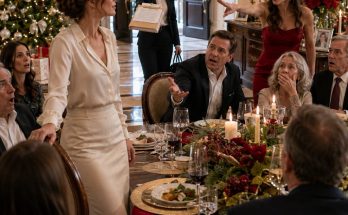
I Bled Out On An Operating Table While My Parents Partied At My Sister’s Gala, Saying I Was “Overdramatic.” After My Recovery, I Silently Erased Them From My Life. They Only Understood When Their Own Emergency Struck And My Phone Remained Silent…
### Part 1
The first thing I remember is the bathroom tile.
Not the pain. Not the fear. The tile.
It was cold against my knees, glossy white with thin gray veins my mother had picked from an Italian showroom because, according to her, “real marble photographs better.” I remember pressing one palm against it and leaving a red handprint that looked too bright to belong to me. Somewhere down the hall, the house was quiet in that rich-person way, every sound swallowed by thick rugs, heavy curtains, and walls built to keep other people’s problems outside.
Except I was the problem inside.
My name is Rachel Sullivan. I was nineteen years old the night my parents left me home alone to attend my sister Diana’s graduation gala. I had lived with hemophilia since I was five, long enough to understand my body better than most adults understood their own bank accounts. I knew what a normal bruise looked like. I knew when a nosebleed was just annoying and when it was turning into something ugly. I knew the difference between tired and dangerously light-headed.
That night, I knew I was in trouble before my parents even reached the hotel.
My nose had started bleeding just after their black car rolled down the driveway. At first, I did what I had been taught. I leaned forward, pinched gently, breathed through my mouth, and told myself not to panic. Panic made everything faster. Faster heartbeat, faster bleeding, faster thoughts.
The bathroom smelled like eucalyptus hand soap and copper. My mother’s white towels were folded in perfect thirds on the shelf beside me, the kind guests were not supposed to use. I used them anyway. One towel became red. Then another. The wastebasket filled with tissues, each one blooming like a terrible flower.
I called my father first.
Straight to voicemail.
I called my mother.
Straight to voicemail.
I texted the family group chat with fingers that felt clumsy and wet.
Bleeding badly. Need help.
The little word delivered appeared beneath the message. Then nothing.
I could picture them at the Westfield Hotel ballroom, my father in his tuxedo, my mother in midnight-blue silk, Diana glowing under chandelier light while people said things like exceptional and future ambassador. I had seen the menu cards on our dining room table for weeks. Gold edges. Raised lettering. Diana Elise Sullivan, Princeton Graduate, Summa Cum Laude.
I waited for the three little dots.
They never came.
After a while, my phone buzzed.
Mom: Rachel, not tonight. We are walking in with the governor. Handle it.
I stared at the message so long the words blurred. Then another text appeared.
Dad: Do not create drama during your sister’s event.
Drama.
That was what they called my body trying to keep me alive.
The room tilted. I tried to stand and reach the hallway, but my knees folded under me. My shoulder hit the cabinet. A glass cup fell, shattered, and toothbrushes scattered across the floor. I laughed once, a dry, shocked little sound, because my mother would be furious about the glass.
Then I saw my reflection in the lower cabinet mirror.
My face was pale, my lips almost colorless, my hoodie soaked down the front. I looked like a girl from a crime show, the one found too late while everyone important was somewhere else giving speeches.
I crawled toward my bedroom because my laptop was there. If I could get to it, I could message someone. Nurse Cassandra. My online support group. Anyone.
The hallway carpet dragged against my elbows. Every inch felt like a mile. At the landing, I stopped, cheek pressed against the floor, listening to the slow drip from my face onto the carpet.
My phone slipped from my hand. The screen cracked across my mother’s last message.
Do not create drama.
Then, just before the dark folded over me, the phone lit up again.
It was an incoming call from Cassandra, the one person who was supposed to be out of town.
And all I could think was, Why is she calling now?
### Part 2
Before that night, I had spent most of my life trying to be easy to ignore.
That sounds sad, and it was, but it was also practical. In the Sullivan house, attention was a spotlight. Diana stood in it naturally, smiling without squinting. I learned to live along the edges, where nobody asked too many questions or expected me to shine.
I was five when my parents found out my blood did not behave like other people’s blood. I fell off a low wooden step at kindergarten, barely high enough to scare a squirrel, and my knee would not stop bleeding. The teacher wrapped it. The nurse wrapped it again. By the time my mother arrived, annoyed because she had left a client meeting, the bandage was soaked through.
At the hospital, the doctor used careful words. Lifelong condition. Clotting issue. Precautions. Treatment plan.
My father, Gregory Sullivan, stood in the corner checking emails on his phone. He was tall, handsome, and expensive-looking, with the kind of jaw that made people trust him before he earned it. He ran an investment firm and treated emotions like bad data. My mother, Eleanor, sat beside my bed in cream trousers, smoothing my hair while asking whether I would “grow out of it.”
I did not grow out of it.
Instead, I grew into rules.
No rough games. No climbing trees. No roller-skating parties. No soccer. No sleepovers unless the other parents were briefed like emergency responders. I carried a small medical card in my backpack. My teachers watched me with anxious eyes. Kids learned quickly that I was breakable, and some were careful with me while others treated me like a weird museum object.
At home, though, the rule was different.
At home, I was expected to be normal without the privileges of being normal.
Diana was two years older than me and, according to nearly everyone, born golden. She had thick dark hair that curled perfectly after swimming, green eyes like our father, and a laugh adults called charming even when she was interrupting them. She played tennis, won debate tournaments, got invited to lake weekends, and once made the local paper for organizing a charity book drive.
My parents loved charity when it photographed well.
They did not hate me. I used to tell myself that all the time because hate would have been easier to recognize. They bought me soft blankets after hospital stays. They paid medical bills, at least when someone reminded them loudly enough. My mother kissed my forehead in public. My father mentioned my “bravery” at dinner parties if the story made him sound compassionate.
But daily care bored them.
Daily care meant calendars, refills, phone calls, quiet observation, and believing me when I said something felt wrong. It meant missing Diana’s tennis semifinals to attend my hematology appointment. It meant picking up supplies before a gala tasting. It meant treating my body as urgent even when it was not convenient.
They rarely did.
By the time I was sixteen, I managed most things myself. I kept a notebook under my mattress where I wrote dates, symptoms, and reminders. I set alarms on my phone. I learned which pharmacy employees were kind and which ones looked at me like I was asking for diamonds. I memorized insurance numbers because my mother always said she would “get to it after this install.”
Cassandra Mitchell entered my life when I was fifteen.
She was a home health nurse with warm brown skin, silver hoops, and no patience for Sullivan nonsense. The first time she came over, my mother tried to give her a tour of the living room renovation. Cassandra smiled politely and said, “Lovely, but I’m here for Rachel.”
No adult had said that in our house with such certainty before.
She checked on me once a week at first. She noticed things. How I apologized before describing pain. How my shoulders tightened when my parents walked in. How I hid bruises under long sleeves, not because I caused them, but because I hated the sighs they earned.
“You don’t have to make your condition smaller so other people feel comfortable,” she told me one rainy Thursday while the gutters gurgled outside my bedroom window.
I shrugged. “It’s easier.”
“Easier for them,” she said. “Not for you.”
I remembered that.
Art helped too. My room became the only place in the house that looked like I lived there. The walls were covered with charcoal portraits, crooked city streets, unfinished skies, and red paint used carefully, defiantly. Blood was frightening in real life, but on canvas it obeyed me. It stayed where I put it.
Then Diana got into Princeton, and the whole house became a shrine.
There were banners, framed acceptance emails, congratulatory brunches. My father bought champagne older than I was. My mother cried into linen napkins. I was happy for Diana at first. Or I tried to be. But once she left for college, my parents somehow talked about her more, not less. Her internship. Her grades. Her study abroad program. Her future.
Meanwhile, Cassandra’s visits went from weekly to every other week, then monthly.
“Just until things settle down,” my mother said.
Things never settled down.
The first time I saw the envelope, I was seventeen. It sat on the kitchen island beneath Diana’s acceptance packet, thick cream paper with my full name typed across the front.
Rachel Anne Sullivan.
Below it were the words Sullivan Care Trust.
I reached for it.
My mother snatched it away so quickly her bracelet cracked against the marble.
“Oh,” she said, too brightly. “That’s just paperwork.”
But her hand shook as she tucked it into her purse, and for the first time in my life, I wondered what kind of paperwork made my mother afraid of her own daughter seeing it.
### Part 3
The gala started as a dinner.
That was what my father said in March, standing at the head of our dining table with one hand in his pocket like he was announcing a merger. “A tasteful dinner. Family, a few close friends, some professional connections. Nothing excessive.”
By May, it had become the social event of the season.
That was my mother’s phrase. She said it to florists, caterers, stylists, and anyone within hearing distance at the country club. The gala would be held in the Grand Ballroom at the Westfield Hotel, with three hundred guests, a twelve-piece orchestra, and a five-course menu designed by a chef who had once yelled at people on television.
Diana pretended to be embarrassed by the attention, but not enough to stop it.
“It’s not just a party,” my father told me one night when I asked why the guest list included senators, donors, and half the city’s wealthiest families. “It’s positioning.”
I looked at the spreadsheet open on his laptop. “For what?”
“For Diana’s future.”
He said it like her future was a company he had invested in early.
I was sitting across from him with a folder of my own. Inside were printed reminders, a care calendar, and a note from my clinic saying my regular treatment supply needed to be renewed before the end of the month. I had highlighted the date in yellow.
“Dad,” I said, sliding the folder toward him. “I need this handled before the gala week. I’m already stretching things.”
He did not touch the folder. “Send it to your mother.”
“I did.”
“Then she has it.”
“She said to ask you.”
He sighed, not angrily, exactly. More like I was a printer jam. “Rachel, I am juggling venue contracts, security, guest confirmations, and Diana’s introductions. Can you please not add another urgent thing to my desk?”
I wanted to say, My blood is urgent whether your desk likes it or not.
Instead, I took the folder back.
That was how it usually went. My anger rose, met the wall of their indifference, and turned into something quiet and poisonous inside me.
The week before the gala, our house smelled like lilies and hot glue. Event planners came in and out with garment bags, sample linens, and acrylic boards showing seating charts. My mother had a “command station” in the breakfast room. Diana had three dress fittings in two days. My father’s assistant delivered printed speech cards wrapped in a leather folio.
I kept leaving notes.
On the fridge.
On my mother’s vanity.
Beside my father’s espresso machine.
Please confirm renewal.
Running low.
Need this before Friday.
By Wednesday, the bruises started.
Not dramatic ones at first. A thumbprint purple mark near my elbow. A dark smear along my shin where I had bumped the coffee table lightly. Tiny red dots under the skin near my collarbone. My gums bled when I brushed my teeth. I took pictures and sent them to my mother.
She replied with a thumbs-up emoji.
I stared at it for a full minute, wondering if she had even looked.
That afternoon, I found Diana in the living room standing on a white platform while two women pinned the hem of her gown. The dress was pale gold, fitted through the waist, with tiny crystals that caught the sunlight like ice. She looked beautiful. Annoyingly, effortlessly beautiful.
“Hey,” she said when she saw me. “Do I look like a cupcake topper?”
“You look like the cupcake topper the cupcake is jealous of.”
She laughed, then noticed my face. “You okay?”
I almost told her everything. How scared I was. How empty my emergency drawer looked. How my body felt like a warning light nobody wanted to see.
“I need Mom or Dad to handle something medical,” I said.
Her expression changed for half a second. Concern, then discomfort. “Right now?”
“Before Friday.”
“Oh.” She glanced at the seamstress kneeling near her shoes. “I can remind them after the final tasting tonight.”
“You’ll forget.”
The words came out sharper than I meant.
Diana blinked. “I said I’d remind them.”
“You say a lot of things.”
The room went still in that subtle way rich houses go still when conflict threatens the furniture. One of the seamstresses pretended to study a pin cushion.
Diana’s cheeks flushed. “I’m sorry my graduation is inconvenient for you.”
The sentence hit harder because she sounded hurt, not cruel. Like she really believed my fear was jealousy wearing a hospital bracelet.
I left before I said something worse.
That night, unable to sleep, I went downstairs for water and saw light under my father’s study door. I heard my parents talking in low voices.
“After the gala, we can rebalance it,” my mother said.
My father answered, “No one is going to ask questions unless Rachel starts digging.”
My hand tightened around the glass.
Then my mother said the word again.
“The trust.”
A drawer slid open. Papers rustled. I should have walked away. Instead, I leaned closer.
“She saw the envelope once,” my mother whispered. “She remembers more than you think.”
My father laughed softly. “Rachel remembers pain. That’s all.”
I stepped back so fast my heel hit the wall.
The glass slipped from my hand but did not break. It rolled across the hallway rug, silent as a secret.
The next morning, I searched the study while my parents were out meeting the hotel manager. In the bottom drawer, beneath old tax folders, I found a statement with my name on it.
The balance line had too many digits.
And halfway down the page was a withdrawal marked Westfield Gala Deposit.
### Part 4
I told myself there had to be an explanation.
That was my talent, really. Not painting. Not managing illness. Explaining away things that hurt me.
Maybe the trust paid for all family expenses. Maybe Westfield was a mistake. Maybe my name appeared because I was technically part of the family account. Maybe my father planned to replace the money after the gala. Maybe, maybe, maybe.
By breakfast, I had folded the statement and hidden it behind the loose backing of a sketch frame in my room.
My mother breezed into the kitchen wearing workout clothes she did not plan to sweat in. “Big day tomorrow,” she sang, opening the fridge. “Diana, darling, you have your final facial at ten. Gregory, the hotel needs the revised security list by noon. Rachel…”
She paused, as if surprised I existed at the table.
“Rachel, please don’t leave any art supplies in the hall today. Photographers may stop by for behind-the-scenes family shots.”
I pushed my eggs around my plate. “I need to go to the clinic.”
Her smile dimmed. “Today is impossible.”
“It’s not optional.”
“Nothing is optional this week.” She lifted a bottle of sparkling water, inspected the label, and put it back. “You should have planned better.”
I almost laughed. “I’ve been asking for three weeks.”
My father lowered his newspaper. “Enough.”
“One appointment,” I said. “One renewal. That’s all.”
His eyes moved to Diana, who was scrolling through her phone, then back to me. “Your sister has worked her entire life for this moment.”
“So have I,” I said before I could stop myself. “I’ve worked my entire life to stay alive.”
The kitchen went quiet.
Diana looked up.
For one second, I thought my words had landed. My father’s face shifted, not softening exactly, but cracking enough that I could see something behind it. Then his phone rang. He checked the screen and stood.
“Westfield,” he said, already walking away.
My mother followed him with her eyes, then turned on me. “Do not guilt your father today.”
That was the last family breakfast we ever had.
The morning of the gala came gray and humid, the kind of Midwestern summer day where the air presses against the windows. The house woke before I did. Hair stylists arrived with black cases. A makeup artist set up lights in the sunroom. Someone delivered white orchids packed in damp green foam. The whole downstairs smelled like hairspray, coffee, and expensive panic.
I woke with a headache behind my eyes.
My legs felt heavy. When I brushed my teeth, the sink turned pink. I rinsed it quickly because I was tired of evidence. Under my sweatshirt, bruises had spread over my hip and thigh, dark and soft-edged. I touched one lightly and winced.
I called Cassandra.
Voicemail.
“Hi, it’s Cassandra. I’m away until Monday. If this is urgent, call emergency services.”
Her voice was warm and recorded and useless.
I stood in my bedroom holding the phone, listening to the house celebrate my sister.
Around noon, Diana knocked once and came in without waiting. She was in a silk robe, hair clipped up, face bare. Without makeup, she looked younger. Almost like the girl who used to sneak into my room during thunderstorms because she claimed lightning sounded better from my bed.
“You’re not coming tonight?” she asked.
I sat on the edge of my mattress. “I don’t think I should.”
Her gaze dropped to my hands. “Are you sick?”
“I’m not stable.”
She flinched at the word. Stable was hospital language. It made things real.
“Rachel,” she said softly, “is this about the trust?”
My head snapped up.
Diana’s face changed immediately. She knew she had said too much.
“What do you know about it?” I asked.
She stepped back. “Nothing. Forget it.”
“No. What do you know?”
Downstairs, our mother called her name.
Diana turned toward the door with visible relief. “I have to go.”
I grabbed her wrist, not hard, but enough to stop her. “Did they use my money for your gala?”
Her eyes filled with something complicated. Guilt, fear, anger, maybe all three.
“I thought it was family money,” she whispered.
Then she pulled away.
By four o’clock, the house looked like a magazine spread. My father wore a tuxedo. My mother’s diamonds flashed at her throat. Diana came down the stairs in the gold dress, and even I forgot to breathe for a moment. She looked stunning. She also looked at me like she wanted to say something and had already chosen not to.
“You’re staying home?” my father asked.
“I need rest.”
“Fine,” my mother said too quickly. “Probably better. We’ll say you felt unwell.”
Not that I was unwell.
That I felt it.
As if illness was a mood.
Before leaving, my mother kissed the air beside my cheek. “There’s soup in the fridge. Don’t make a mess.”
The door closed behind them.
The silence afterward was huge.
I stood in the foyer for a while, surrounded by the smell of perfume and orchids, watching red taillights disappear down the drive. Then my nose started bleeding.
I walked calmly to the bathroom.
I opened the cabinet for the emergency supplies I already knew were gone.
Behind the empty box sat one of Diana’s gold-edged gala invitations, bent at the corner and stained with my mother’s lipstick.
### Part 5
For the first ten minutes, I was angry.
Not terrified. Not yet.
I sat on the closed toilet lid with a towel pressed under my nose, staring at that gala invitation on the counter. Diana Elise Sullivan. An Evening of Celebration. The raised gold letters shone under the bathroom lights while blood soaked into cotton between my fingers.
An evening of celebration.
I wondered whether they were serving the lemon tartlets my mother had rejected twice before approving. I wondered if my father had already given his speech. I wondered if he had said, “Family is the foundation of everything,” because men like my father loved sentences that sounded noble and required nothing.
After twenty minutes, anger became calculation.
I changed towels. I checked the time. I sipped water and nearly gagged at the metallic taste in my mouth. I pulled my phone from my pocket and called my father again.
Voicemail.
Mother.
Voicemail.
Diana.
This time, she answered.
Music pounded through the speaker, violins and laughter and hundreds of voices bouncing off a ballroom ceiling.
“Rachel?” she shouted. “What?”
“I need help.”
“What?”
“I’m bleeding. I need someone home.”
“I can’t hear you!”
“Diana!”
There was a muffled sound, like she had pressed the phone against her dress. Then her voice came back, impatient and breathless.
“Can this wait? Dad’s about to introduce me to Senator Klein.”
“No,” I said, but my voice cracked. “It can’t.”
“What?”
The call dropped.
I stared at the screen.
Dropped, I thought. Like that was better than ended.
I texted the group chat.
This is serious. Please come home.
No answer.
I tried to call emergency services, but my fingers slipped. The screen smeared. I wiped it on my sweatpants, tried again, and dropped the phone. It hit the tile face down with a hard crack.
“No, no, no,” I whispered.
The screen flickered when I picked it up. A black line cut through the middle, but it still worked if I pressed hard enough. I tried to dial again. My vision swam. The numbers slid around as if the phone were underwater.
The bathroom smelled like wet towels, iron, and the lavender candle my mother kept for guests. I hated that candle. I hated the little silver tray beneath it. I hated the framed watercolor on the wall, some peaceful beach scene where nobody was alone on the floor trying not to die politely.
I stood because the landline was in the kitchen.
The room tipped.
My shoulder hit the sink. A glass cup shattered. I remember the bright, ridiculous sound of toothbrushes skittering across tile. I remember thinking, Mom will say I did this on purpose.
Then I was crawling.
The hallway felt longer than it had ever been. My hands sank into the carpet. The fibers scratched my palms. Family photos blurred on the walls as I dragged myself past them. Diana at prom. Diana with a tennis trophy. Diana in cap and gown between our parents.
There was one photo of me, taken after a hospital fundraiser when I was twelve. I wore a blue dress and a smile too careful for a child. My mother had cropped the medical bracelet out before framing it.
Halfway to my bedroom, I stopped.
My body was no longer interested in my plans.
I lay on my side, breathing through my mouth, watching the cracked phone glow inches from my hand. The group chat opened again. I typed slowly, missing letters, correcting nothing.
I’m bleeding out. Help.
I hit send.
For a moment, nothing happened.
Then my mother replied.
Rachel, stop. People are asking where you are. Do not ruin tonight.
A sound came out of me that did not feel human.
I do not remember deciding to call Cassandra again. Maybe my thumb did it from habit. Maybe the cracked screen registered some desperate movement. But suddenly the line was ringing, ringing, ringing.
Her voicemail began.
Then stopped.
“Rachel?” Cassandra’s voice was sharp, alert. Not recorded. Real. “Honey, talk to me.”
I tried.
Only air came out.
“Rachel, are you bleeding?”
I closed my eyes.
“Tap once if yes.”
I tapped the phone with one finger.
Her voice changed. It became the voice she used when she meant every word and expected the world to obey.
“Stay with me. I’m calling help now. Do not hang up.”
I wanted to tell her I was sorry for bothering her on vacation.
Instead, I listened to her breathing on the line, steady and fierce, while the hallway darkened around the edges.
The last thing I heard before I slipped away was our front door opening and my mother screaming my name like she had just discovered I was real.
### Part 6
I woke up in pieces.
First sound: a machine beeping beside me.
First smell: antiseptic, plastic tubing, coffee gone cold.
First feeling: my throat raw, my mouth dry, my whole body heavy in a way sleep could not explain.
I opened my eyes to fluorescent lights and ceiling tiles. Hospital. ICU, I guessed, before anyone told me. I had been in enough hospitals to recognize the difference between routine and serious. Routine rooms had bad paintings and chairs with cheerful fabric. Serious rooms had glass walls, constant monitors, and nurses who moved like every second had weight.
My parents sat beside my bed still wearing pieces of their gala.
My mother’s hair had collapsed on one side, pins sticking out like broken antennae. Mascara streaked under her eyes. My father’s tuxedo shirt was wrinkled, his bow tie hanging loose around his neck. Diana stood near the window in hospital scrubs that were too big for her, her gold dress nowhere in sight.
For a second, I almost felt sorry for them.
Then I remembered the group chat.
My mother saw my eyes open and covered her mouth. “Rachel.”
My father stood too quickly, knocking his chair backward. “Get the doctor.”
Diana did not move. She just stared at me, both hands gripping her elbows.
A doctor came in with a tablet and tired eyes. “Rachel, I’m Dr. Patel. You’re at Mercy General. You had a severe bleeding episode and lost a dangerous amount of blood. We stabilized you overnight.”
I tried to speak. Nothing happened.
A nurse gave me ice chips. The cold hurt, then helped.
“How long?” I whispered.
“Nearly two days in and out,” Dr. Patel said gently. “You were very lucky. Nurse Cassandra reached emergency services and stayed on the line. Your family arrived shortly after, but by then help was already coming.”
Cassandra saved me.
Not my parents. Not Diana.
Cassandra.
My mother sobbed quietly into a tissue. My father stared at the doctor like he was waiting for the bill.
Dr. Patel’s expression changed as he looked at them. “We also need to discuss why Rachel’s regular treatment plan was interrupted.”
My mother stiffened. “Interrupted?”
“Her records show missed renewals, canceled visits, and delayed authorizations over the last several months.”
“That can’t be right,” my father said.
“It is right,” I whispered.
Everyone looked at me.
My voice was thin, but it existed. That felt like a miracle and a weapon.
“I asked.”
My mother leaned forward. “Sweetheart, you know we’ve had so much going on. Diana’s graduation, the gala—”
“I asked for three weeks.”
Dr. Patel glanced at his tablet. “There are messages documenting that.”
My father’s face hardened. “Doctor, with respect, this was an unfortunate family miscommunication during an unusually busy period.”
“Mr. Sullivan,” Dr. Patel said, “your daughter almost died.”
The words landed flat and heavy.
Diana turned toward the window.
My mother began crying harder, but I could not tell whether it was grief or fear. With her, those two often wore the same perfume.
A woman from hospital social services came later. Her name was Melissa Torres. She had calm hands, silver-framed glasses, and a voice that did not rush me. When my parents hovered, she asked them to step out.
My mother objected. “She’s fragile.”
Melissa looked at me. “Rachel, would you like privacy?”
“Yes,” I said.
The word startled everyone, including me.
When the door closed, Melissa sat beside my bed without touching me. “You don’t have to explain everything today. But I need to ask if you feel safe at home.”
I looked at the blanket over my legs. It was thin and white, warmed by a machine. I had spent years answering questions in ways that protected my parents from embarrassment.
This time, I told the truth.
I told her about missed appointments, empty supplies, being told to wait, being told not to disrupt Diana’s moments. I told her about the gala. The texts. The bathroom. The crawling. I did not cry until I told her about my mother saying not to ruin the night.
Melissa’s pen stopped moving for a moment.
“I’m sorry,” she said.
It was not dramatic. It was not enough. But it was real.
After she left, my parents came back in transformed. My mother adjusted my blanket. My father asked the nurse intelligent questions. Diana brought water and set it on the tray, though my hands were too weak to reach it.
They had always been good performers.
That evening, I pretended to sleep while they whispered near the door.
“We need to contain this,” my father said.
“She talked to social services,” my mother whispered. “Gregory, if they look into the trust—”
“Hush.”
The trust.
Again.
The word moved through my half-conscious mind like a key turning in a lock I had never been allowed to touch.
### Part 7
The hospital gave me back my body slowly.
First, I could sit up without the room spinning. Then I could stand with a nurse nearby. Then I could walk six steps to the bathroom, gripping the rail like an old woman, furious at how proud everyone seemed.
“Six steps is six steps,” Cassandra said when she finally walked into my room three days later.
She looked exhausted. Her vacation tan was uneven, her curls pulled into a messy bun, and her eyes were wet before she reached my bed.
“You scared ten years off my life,” she said.
“I’m sorry.”
“Don’t you dare.”
I closed my mouth.
She sat carefully on the edge of the chair, not the bed. Cassandra never touched without permission. That was one of the first things I loved about her.
“I should’ve checked my messages sooner,” she said.
“You were away.”
“And you were alone.”
Neither of us said what sat between those facts.
Cassandra became my wall. When my mother tried to schedule discharge before Dr. Patel approved it, Cassandra shut it down. When my father requested copies of every note in my file “for insurance clarity,” Melissa made sure I understood what could and could not be shared. For the first time, adults were not just talking about me. They were talking to me.
The more I healed, the more I remembered.
The statement in my room.
The withdrawal.
Diana saying, I thought it was family money.
On the fifth day, I asked Melissa about the trust.
She did not look surprised. That scared me more than surprise would have.
“Do you have documents?” she asked.
“One statement. Hidden at home.”
“Can someone you trust retrieve it?”
I almost laughed. My trusted people did not have keys to my parents’ house.
Then I thought of the one person my mother hated enough to never mention unless wine was involved.
Aunt Mara.
Technically, she was my grandmother’s younger sister, not my aunt, but I had called her Aunt Mara as a child. She had disappeared from our family after my grandmother died. My mother said she was jealous and unstable. My father said she was “legally difficult.” When I was little, Mara used to send me birthday cards with birds painted on the envelopes. My mother stopped giving them to me when I was thirteen.
I found her number online through an old art foundation website. My hands shook when I called.
She answered on the fourth ring. “This is Mara.”
“Hi,” I said. “It’s Rachel Sullivan.”
Silence.
Then a breath. “Rachel Anne?”
No one used my middle name except doctors and old documents.
“Yes.”
“Oh, honey,” she said softly. “I’ve been waiting for this call.”
That sentence opened a door under my feet.
Mara came to the hospital the next morning wearing jeans, red lipstick, and a raincoat that smelled faintly like cedar. She looked like my mother’s opposite in every possible way. Where Eleanor was polished, Mara was sharp. Where Eleanor smiled to hide things, Mara looked directly at them.
She brought a folder.
“I didn’t want to force this on you before you were ready,” she said, laying it on my tray. “Your grandmother made me secondary oversight on your care trust. Your father fought that. Hard.”
“My care trust,” I repeated.
Mara nodded. “Your grandmother created it after your diagnosis. Medical care, education, housing if needed. It was never supposed to be used for anyone else.”
The machines beside me kept beeping.
I stared at the folder but did not open it.
“How much?” I asked.
“At the beginning?” Mara’s mouth tightened. “Enough that you should never have had to beg for treatment.”
My throat closed.
Mara slid the top document toward me. It listed trustees, rules, protections. My father’s name appeared as primary trustee. My mother’s as administrative contact. Mara’s as oversight, requiring annual reports.
“After your grandmother died, Gregory stopped sending reports,” Mara said. “I pushed. He stonewalled. Then his lawyers claimed you were receiving full benefit and any interference would distress your fragile health.”
Fragile.
That word again, used like a curtain to hide theft.
“Can we prove what happened?” I asked.
Mara’s eyes moved to the doorway, where Diana stood frozen with a coffee cup in her hand.
Diana looked from Mara to the folder.
“What is that?” she whispered.
Mara’s face hardened. “Something you may want to explain.”
Diana went pale.
I opened the folder then, fingers trembling.
There were statements. Transfers. Notes. Payments labeled education support, international program, private apartment, gala deposit, donor dinner wardrobe.
My trust had not been neglected.
It had been harvested.
At the bottom of the most recent authorization was my father’s signature.
And beside it, in careful blue ink, was Diana’s.
### Part 8
Diana said she did not know.
She said it so quickly, so desperately, that for a moment I wanted to believe her.
“I didn’t know it was yours,” she said, standing at the foot of my hospital bed while Mara watched her like a judge. “Dad said Grandma had set aside family advancement funds. He said it was for education, networking, opportunities. He said Rachel’s medical expenses were already covered separately.”
I looked at the signature.
Diana Elise Sullivan.
“You signed.”
“For my apartment in Paris,” she said, tears forming. “And for the gala deposit. Dad said because I was over eighteen, I had to acknowledge distributions connected to me. I didn’t read all of it.”
Of course she hadn’t.
Diana never had to read the fine print because fine print had never hurt her.
Mara crossed her arms. “The form says Rachel Anne Sullivan Care Trust on the first page.”
Diana’s eyes dropped.
“There were a lot of pages,” she whispered.
Something cold settled in my chest.
That was not innocence. Not exactly.
Maybe she had not understood everything. Maybe my father had framed it beautifully, wrapped theft in words like legacy and opportunity. But Diana had seen my name. She had signed anyway. She had accepted the apartment, the gowns, the gala, all while I asked for basic care from the hallway.
I turned my face toward the window.
Outside, rain streaked down the glass. Cars hissed over wet pavement. The city kept moving, indifferent and alive.
“I want a meeting,” I said.
Mara nodded once. “Then we make it official.”
Two days later, my parents arrived for what they thought was a discharge planning conversation.
My father wore a navy suit and the expression he used before difficult negotiations. My mother brought peonies in a glass vase too heavy for the hospital table. Diana came last, eyes swollen, wearing jeans and no makeup.
Dr. Patel stood near the sink. Melissa sat with a notebook. Cassandra stayed by the door. Mara occupied the chair closest to me, folder on her lap like a loaded weapon.
My father noticed her and stopped walking.
“Mara.”
“Gregory.”
My mother’s face drained of color. “What is she doing here?”
“I invited her,” I said.
My father looked at me then. Really looked. Not at the IV. Not at the monitors. At me. I saw the moment he understood the room had shifted without his permission.
“Rachel,” he said carefully, “you are recovering. This is not the time for family drama.”
I smiled a little.
“There’s that word again.”
No one spoke.
I lifted the folder. My arms were weak, but anger helped.
“I know about the trust.”
My mother sat down as if her legs had failed.
My father did not move. “You don’t understand the structure.”
“Then explain it.”
His jaw tightened.
I waited.
He adjusted his cuff. “Your grandmother created a fund for your long-term benefit. As trustee, I had discretion to allocate resources in ways that supported the family environment around you.”
Mara laughed once. “That is the ugliest sentence I’ve ever heard.”
My father ignored her. “Diana’s advancement benefits the whole family. Connections, reputation, stability—these things create opportunities that ultimately protect you too.”
I stared at him, amazed.
“You used my medical trust for a ballroom.”
“For your sister’s future.”
“I almost died because you didn’t renew my care plan.”
“That was an oversight.”
“No,” I said. “An oversight is forgetting milk. This was a choice.”
My mother began crying. “We were going to replace it.”
“When?”
“After things calmed down.”
“Things only calmed down because I nearly bled out on your carpet.”
Diana made a small sound.
My father’s patience snapped. “Enough. You are alive. You are being cared for. We will correct any accounting irregularities, but I will not be accused of harming my own child by a nineteen-year-old who has no concept of financial reality.”
I felt my fear rise, old and obedient.
Then Cassandra said, “Breathe.”
So I did.
“I want full control of my medical decisions,” I said. “I want the trust audited. I want an independent trustee. I want housing near the hospital. And I want every dollar used for Diana, the gala, or anything else unrelated to my care restored.”
My mother whispered, “Rachel, please.”
My father looked at Mara. “You poisoned her.”
Mara leaned forward. “No, Gregory. You underestimated her.”
For the first time in my life, I saw my father cornered.
Then he smiled.
It was small, controlled, and terrifying.
“If you want the whole truth,” he said, “then let’s talk about what your grandmother really wrote.”
### Part 9
My grandmother had been dead for seven years, but in that hospital room, she suddenly felt more present than anyone alive.
Her name was Caroline Whitmore Sullivan. I remembered her mostly through sensations: rose hand cream, cool pearls against my cheek, the dry whisper of book pages as she read to me during hospital stays. She was my father’s mother, which always surprised people because she had warmth he never inherited.
After my diagnosis, Grandma Caroline was the only person who did not treat me like either a tragedy or an inconvenience.
“Your body has rules,” she told me once when I was eight and angry that I could not go ice skating with Diana. “Everyone’s does. Yours are just louder.”
She died when I was twelve. My parents said she left “some provisions” but nothing I needed to worry about. At the funeral, Diana cried in my mother’s lap. I cried in a coat closet because I did not know where else to put grief that large.
Now my father claimed she had written something.
Mara’s face sharpened. “Careful, Gregory.”
He held up both hands. “Rachel asked for transparency.”
“No,” Mara said. “Rachel asked for accountability.”
My father looked at me. “Your grandmother loved you. No one denies that. But she also worried your condition would limit your life. She wanted the family to maintain a certain level of opportunity around you, so you would not become isolated.”
“That’s not what the trust says,” Mara said.
“I’m not talking about the trust.”
He opened his briefcase and removed a folded letter sealed in a plastic sleeve. My mother looked at it as if it were a snake.
“I kept this private,” he said, “because I did not want it to hurt you.”
That was how my family always introduced a knife.
He passed it to Melissa, who passed it to me.
The handwriting was my grandmother’s. I knew it from birthday cards my mother had not managed to intercept. Strong loops, slanted lines, a capital R that curled like a ribbon.
My hands trembled as I read.
Rachel Anne,
If you are reading this as an adult, I hope it is because you are safe, loved, and supported. But if you are reading this because someone has made you feel like a burden, then I need you to know this: you were never the burden. Their failure to care properly is the burden they created.
The trust is yours. Not Gregory’s. Not Eleanor’s. Not Diana’s. Yours.
I stopped. My eyes burned.
My father said nothing.
I continued.
I have seen how your father turns love into management and how your mother turns discomfort into denial. I hope they grow. I hope they surprise me. But hope is not a plan. This trust is the plan.
If they ever make you beg for medical care, housing, education, or safety, go to Mara. She will know what to do.
By the time I finished, the room was silent except for the machines.
My father’s face had gone gray.
He had not shown me the letter to reveal some hidden justification. He had gambled that I would be too weak to read it out loud, too emotional to understand it, too trained to fold under pressure.
For once, he had miscalculated.
Mara’s voice was quiet. “You had that letter all along?”
My mother wiped her face. “Caroline was always dramatic.”
I looked at her.
Not angry. Not yet. Just stunned by how small she sounded.
“She knew,” I said.
My mother’s mouth opened, then closed.
“She knew you might do this.”
My father snapped, “She was controlling.”
“She protected me from you.”
The sentence changed the air.
Diana covered her mouth and began to cry silently. I did not comfort her. I had spent too many years making other people feel better about what they did to me.
Melissa stood. “Given the information presented, I’ll be recommending immediate legal review of Rachel’s trust and care environment.”
My father turned on her. “This is a private family matter.”
Dr. Patel answered before she could. “Not anymore.”
That was the first clean break.
The second came later that evening, after everyone left except Mara. She sat beside me while sunset turned the window orange and the room smelled faintly of peonies my mother had abandoned.
“I’m sorry,” Mara said.
“For what?”
“For not breaking the door down sooner.”
I looked at the letter on my blanket.
“Would I have believed you?”
She did not answer.
The truth was, probably not. Children believe the house they grow up in is the whole world until something cracks it open.
I folded my grandmother’s letter carefully.
At the bottom, beneath her signature, there was one final line I had missed the first time.
If they tell you family means forgiveness, remember that survival does not require it.
### Part 10
My parents changed tactics after that.
At first, they tried softness.
My mother sent daily texts full of hearts, prayer emojis, and old photos of me as a baby. She wrote things like, We made mistakes, but everything we did was for our family. My father left voicemails in a low, measured voice, saying we needed to avoid “irreparable damage.” He never said to whom.
Diana sent one message.
I am so sorry. I should have read it. I should have listened. I don’t expect you to answer.
I did not.
Not because I felt nothing, but because I felt too much.
While I recovered, Mara and Melissa helped me build a file. There is something strange about seeing your life turned into evidence. A missed appointment becomes a printed date. A cruel text becomes documentation. A memory you once swallowed because it seemed too small becomes part of a pattern large enough for other people to finally see.
The audit moved quickly once the hospital’s legal team and Mara’s attorney got involved.
Money from my trust had paid for Diana’s Paris apartment, a private career consultant, political networking dinners, designer clothing, a portion of her tuition not covered by scholarships, and nearly half of the Westfield gala. My father had labeled some distributions “social development for beneficiary household.” Others were hidden through transfers into accounts with names so bland they sounded like office supplies.
My medical care, meanwhile, had been treated as adjustable.
Stretch this.
Delay that.
Reschedule.
Wait.
Be careful.
The phrase be careful appeared in my mother’s texts twelve times in one year. As if carefulness could replace care.
Two weeks after the hospital meeting, I moved into a small apartment three blocks from Mercy General. It had squeaky floors, old radiators, and a kitchen window facing a brick wall. I loved it immediately.
Cassandra helped stock the bathroom with supplies. Mara brought groceries. Melissa connected me with a patient advocacy program. For the first time, my living space was arranged around my safety without shame. Soft rugs where I needed them. Clear pathways. Emergency contacts taped inside a cabinet. A calendar that belonged to me.
The first night, I sat on the floor eating soup from a mug because I had not unpacked bowls yet, and I cried so hard the soup went cold.
Not because I was sad.
Because no one told me I was ruining anything.
The peace lasted nine days.
Then Mara called.
“Don’t open social media,” she said.
Naturally, I opened social media.
My mother had posted a photo from the gala. In it, Diana stood between my parents beneath a chandelier, all three of them smiling like nothing bad could reach them. The caption was long.
She wrote about family resilience. About a private medical crisis that had “deepened our gratitude.” About launching the Sullivan Family Care Foundation to support young people with chronic illness.
My stomach turned.
Then I saw the attached flyer.
It showed a soft-focus image of clasped hands, a silver ribbon, and a blurred hospital bracelet.
My hospital bracelet.
My name was mostly cropped out, but I recognized the angle. Someone had taken the photo while I was unconscious. My wrist lay against a white sheet, plastic band visible, vulnerability turned into branding.
The foundation’s first fundraiser would be held at the Westfield Hotel.
Of course it would.
I called Mara with my hands shaking.
“I saw it,” I said.
“I know.”
“They’re using me.”
“Yes.”
The word was clean. Brutal. Merciful.
Something inside me settled.
For years, I had waited for my parents to become better people in private. Now they were selling compassion in public with my hospital bracelet on the invitation.
I did not sleep that night. I painted instead.
Red, white, gold. A ballroom chandelier melting into a hospital monitor. A girl crawling across carpet while faceless people toasted behind glass. By morning, my hands ached and my apartment smelled like acrylic paint and coffee.
At eight, I called Mara.
“I want to go to their fundraiser.”
She was silent for a moment. “Rachel.”
“I’m not hiding while they use me.”
“They’ll try to remove you.”
“Then we bring people who won’t let them.”
Mara exhaled slowly. “Your grandmother would’ve loved this version of you.”
I looked at the wet canvas propped against my wall.
For once, the blood-red paint was exactly where I wanted it.
### Part 11
The Westfield Hotel looked different when I arrived on my own feet.
The last time my family had gone there, I was home bleeding on marble tile while they stepped onto a red carpet. This time, I stepped out of Mara’s car wearing black pants, low shoes, and a cream blazer Cassandra said made me look “like someone about to ruin a board meeting.”
Good.
The lobby smelled like polished wood, lilies, and money. Soft piano music drifted from somewhere near the bar. Guests moved toward the ballroom holding champagne flutes, their voices low and pleased with themselves.
Above the ballroom doors hung a banner.
Sullivan Family Care Foundation
Compassion in Action
I almost turned around.
Not because I was afraid of them.
Because the hypocrisy was so thick I felt it in my throat.
Mara touched my elbow. “You decide.”
I looked at the banner again.
“I decided on the bathroom floor.”
Inside, the ballroom glittered. Round tables dressed in white linen. Gold chairs. Crystal centerpieces. A stage with a podium. Screens showing a slideshow of smiling children, hospital hallways, and my parents shaking hands with donors. My own cropped hospital bracelet appeared three times.
No face.
No name.
Just suffering, tastefully blurred.
My parents stood near the front greeting guests.
My mother saw me first.
Her smile froze.
My father followed her gaze, and for the first time in my life, I watched panic cross his face before he could hide it.
Diana stood beside them in a navy dress. When she saw me, she went pale. She did not smile. She did not wave. She looked like someone who knew the fire alarm had been pulled and the room had not heard it yet.
My father reached me before I made it halfway across the ballroom.
“Rachel,” he said through his teeth. “This is not appropriate.”
I looked around. “Really? My hospital bracelet is on your slideshow, but my actual body is inappropriate?”
His eyes flicked toward nearby guests. “Lower your voice.”
That old command tried to land.
It missed.
My mother appeared beside him, perfume sharp enough to sting. “Sweetheart, this event is to help people like you.”
“People like me?” I repeated.
She reached for my hand. I moved it away.
“Do not make a scene,” she whispered.
I looked at the stage.
“I think you already did.”
Mara stepped up behind me with our attorney, Mr. Bell, a calm man with a gray beard and a leather folder. Melissa was there too, officially as an observer. Cassandra had come in her own clothes, standing near the back with arms crossed and eyes blazing.
My father saw them and understood this was not a daughter’s emotional outburst.
This was strategy.
The program began ten minutes later. My parents could not cancel without causing questions. They also could not stop watching me from the front table.
I sat near the aisle.
Diana sat two tables away, staring at her untouched salad.
After a donor speech and a short video full of soft music, my father walked to the podium. He looked perfect under the lights. Strong. Warm. Trustworthy.
“As many of you know,” he began, “our family recently faced a frightening medical emergency with our younger daughter.”
The room made sympathetic sounds.
I gripped my chair.
“That experience opened our eyes to the needs of families navigating chronic conditions,” he continued. “Tonight, we turn fear into purpose.”
That was when I stood.
At first, only the people near me noticed. Then the silence spread outward, table by table.
My father stopped speaking.
I walked toward the stage.
“Rachel,” he said, microphone still live. “Sit down.”
“No.”
The word rang through the speakers.
A waiter froze near the wall with a tray of untouched desserts.
I climbed the short steps slowly. My legs trembled, but they held. My father moved as if to block me, but Mr. Bell stood from his table. So did Mara. So did Cassandra.
My mother whispered, “Security.”
A man near the ballroom doors started forward.
Then another man in a dark suit stepped out from the side wall and held up a badge.
“No, Mr. Sullivan,” he said. “Let her finish.”
The room went completely still.
I took the microphone from my father’s hand.
For the first time, he let go.
### Part 12
“My name is Rachel Sullivan,” I said.
My voice shook on the first word and steadied by the second.
The ballroom stared back at me. Donors, politicians, doctors, socialites, women in pearls, men with folded pocket squares. People who had come to be seen caring.
Behind me, my father stood rigid. My mother sat at the front table with one hand at her throat. Diana did not move.
“You’ve seen my hospital bracelet tonight,” I said. “You’ve heard about my family’s frightening medical emergency. What you haven’t heard is that the emergency was preventable.”
A rustle moved through the room.
I kept going.
“I live with a bleeding disorder. My care requires consistency. For years, I asked for that consistency and was treated like an inconvenience. The night of my sister’s graduation gala, my regular care had been delayed. My emergency supplies were gone. I told my family I was bleeding badly. They told me not to ruin the night.”
My mother made a sound.
I looked at her, then back at the room.
“I lost consciousness on the hallway floor while they were here, celebrating under these chandeliers.”
Someone gasped.
My father stepped toward me. “Rachel, that is enough.”
The man with the badge stepped forward too.
My father stopped.
I opened the folder Mr. Bell had placed on the podium.
“This foundation was announced using a photo taken of me while I was unconscious. I did not consent. The money used to build my sister’s gala, her travel, her apartment, and parts of her education came from a trust created by my grandmother for my medical care and safety.”
Now the room erupted.
Whispers. Chairs shifting. Someone saying, “Is that true?” Someone else saying my father’s name.
Diana stood suddenly.
Every eye turned to her.
She looked at me, and for one painful second I saw the sister I once wanted. Not the golden child, not the beneficiary, just Diana, shaking and ashamed.
“It’s true,” she said.
My mother began crying openly. My father looked at Diana like she had slapped him.
Diana’s voice broke. “I signed forms. I didn’t read them carefully. I knew Rachel’s name was there, and I didn’t ask because I didn’t want the answer. I benefited from it.”
That confession hurt worse than denial would have.
Because it was honest.
Because it was too late.
The badge belonged to an investigator connected to the trust complaint Mara’s attorney had filed. I had not known he would attend. Mara told me later she suspected my parents might use the fundraiser to solicit money under false pretenses, and she wanted witnesses.
She got them.
The night did not end with applause. Real life rarely does. It ended with donors leaving quietly, board members demanding explanations, my father speaking rapidly to attorneys, and my mother sitting at a ruined table while melted ice pooled around untouched champagne.
Outside the hotel, Diana followed me into the humid night.
“Rachel.”
I stopped beside Mara’s car.
Diana’s heels clicked against the pavement. Her face was wet, her mascara gone, her perfect composure stripped down to something raw.
“I’m sorry,” she said. “I know that’s not enough.”
“It isn’t.”
She nodded like she deserved that. She did.
“I should have protected you.”
“You should have noticed me.”
That landed. I saw it.
“I want to make it right,” she whispered.
“You can’t.”
Her face crumpled.
I did not hug her. I did not soften the truth to make it easier for her to carry.
“You can testify,” I said. “You can tell the truth. You can stop letting them turn your future into an excuse for what they did to me. But you don’t get to ask me to rebuild what you helped destroy.”
Diana wrapped her arms around herself.
“Do you hate me?”
I thought about the girl in the silk robe, the sister who almost asked if I was okay, the woman who signed forms with my name on them and did not read because comfort was easier.
“No,” I said. “But I don’t forgive you.”
She closed her eyes.
Mara opened the car door for me.
As I got in, I looked back at the Westfield Hotel. Through the glass doors, I could see my father surrounded by people who no longer smiled at him.
For once, he was the one trapped under bright lights with nowhere to hide.
### Part 13
The legal process took eleven months.
Not eleven dramatic movie months, but real months. Slow emails. Depositions in beige conference rooms. Bank records printed in stacks so thick they looked like bricks. My father’s attorneys used words like discretionary authority and family benefit until Mara’s attorney responded with words like breach, exploitation, and medical endangerment.
In the end, my father settled before court.
Men like Gregory Sullivan fear prison less than public testimony. A settlement let him call disaster “resolution,” though everyone who mattered knew what it was.
The trust was restored with penalties. An independent trustee took control. My parents were removed from every decision connected to my care. The foundation dissolved before it held a second event. Several donors demanded refunds. My father stepped down from two boards. My mother lost clients who preferred their cruelty less documented.
They sold the house six months later.
I did not go back inside.
Mara asked once if I wanted anything from my old room. I told her about the sketch frame with the hidden statement. She retrieved it, along with my grandmother’s remaining letters, a box of childhood drawings, and the chipped blue mug I used every winter. Everything else could stay with the marble, the orchids, and the carpet they had replaced after my blood stained it.
My parents tried apologies.
My mother wrote long emails about regret, confusion, and the pain of motherhood. She said she had been overwhelmed. She said she never understood how scared I was. She said she missed her little girl.
I read each email once, saved it for legal records, and did not answer.
My father sent one handwritten letter.
Rachel,
I handled things badly. I believed I was making strategic choices for the family. I see now that you felt abandoned. I hope one day you understand that I loved you in my way.
I wrote one sentence back.
Your way almost killed me.
Then I blocked him.
Diana testified truthfully. That mattered. It did not erase anything.
After the settlement, she asked to meet at a coffee shop near my apartment. I went because I wanted to see whether my anger had changed shape. She looked different without the Sullivan shine. Tired. Humbler. More human.
She told me she had left the career track my father built for her. She was working with a patient advocacy nonprofit, doing intake calls and filing forms for people who were used to being ignored. Maybe that was guilt. Maybe it was growth. Maybe both.
“I know you don’t forgive me,” she said, hands wrapped around a paper cup.
“No,” I said.
She nodded. “I’m still going to try to become someone who wouldn’t do that again.”
“That’s between you and yourself.”
It sounded cold, but it was the cleanest gift I could give her. Not forgiveness. Not hatred. Just the return of responsibility.
We did not become sisters again. Not the way people like to imagine, with tearful holidays and matching necklaces. Sometimes healing means leaving a relationship exactly where it broke and walking forward without dragging the pieces.
My life became quieter and larger at the same time.
I stayed in the apartment near Mercy General until I finished my associate degree, then transferred into a fine arts program with a scholarship Mara helped me find but did not arrange behind my back. That distinction mattered. Help that respects you feels different from control.
Cassandra remained in my life, no longer as a nurse responsible for my care, but as family I chose. She came to my first gallery show wearing red lipstick and silver hoops, crying before she even reached the second painting.
The show was called Visible.
The largest canvas hung at the back of the room. It showed a ballroom chandelier reflected in a pool of red, but beneath the red was a door opening into morning light. People stood in front of it for a long time. Some cried. Some looked away. One woman with a hospital bracelet under her sleeve found me afterward and said, “I thought it was just me.”
That was when I knew the story was no longer only mine.
I built a life made of people who listened the first time.
Mara, with her sharp tongue and cedar raincoat.
Cassandra, who taught me not to apologize for needing care.
Melissa, who still sent holiday cards with tiny handwritten notes.
Friends from the advocacy group who understood that survival was not inspirational every day. Sometimes it was boring. Sometimes it was paperwork. Sometimes it was choosing a safe couch, carrying emergency contacts, and letting yourself rest without guilt.
On the one-year anniversary of the gala, I did not go to the Westfield. I did not look at old photos. I did not reread the messages unless my lawyer needed something.
I made pancakes in my tiny kitchen while rain tapped against the window. I painted until noon. In the afternoon, I walked three blocks to the clinic for a routine appointment I had scheduled myself, confirmed myself, and attended without begging anyone to remember me.
When I came home, there was a package outside my door.
No return address.
Inside was Diana’s gold-edged gala invitation, the one I had found in the bathroom cabinet, sealed in a plastic sleeve. Beneath it was a note from Mara.
Found this in evidence. Thought you should decide what happens to it.
I held the invitation for a long time.
Once, that card had felt like proof that Diana’s celebration mattered more than my life. Now it was just paper.
I took it to my kitchen sink, lit one corner with a match, and watched the gold letters curl black.
I did not feel healed in some perfect, shining way.
I felt free.
There is a difference.
I still have hemophilia. I still plan carefully. I still have days when my body demands more patience than I want to give. But I no longer confuse being careful with being small. I no longer call neglect love because it arrives wearing family jewelry.
My parents partied while I bled.
They were sorry when the lights came on.
But late love, love that only appears after consequences, love that asks the wounded person to protect the wounder, is not love I need.
So I did not forgive them.
I survived them.
And then I built a life where nobody had to notice me bleeding before they believed I deserved care.
THE END!
Disclaimer: Our stories are inspired by real-life events but are carefully rewritten for entertainment. Any resemblance to actual people or situations is purely coincidental.